Medical
Our News page is where you’ll find out more about recent events Tactile is involved in, project features, and some behind-the-scenes of Tactile’s culture. We keep it brief here, but hopefully, you’ll learn a little more about us. Thanks for reading one, some, or all!
Proprio Paradigm
March 2, 2023
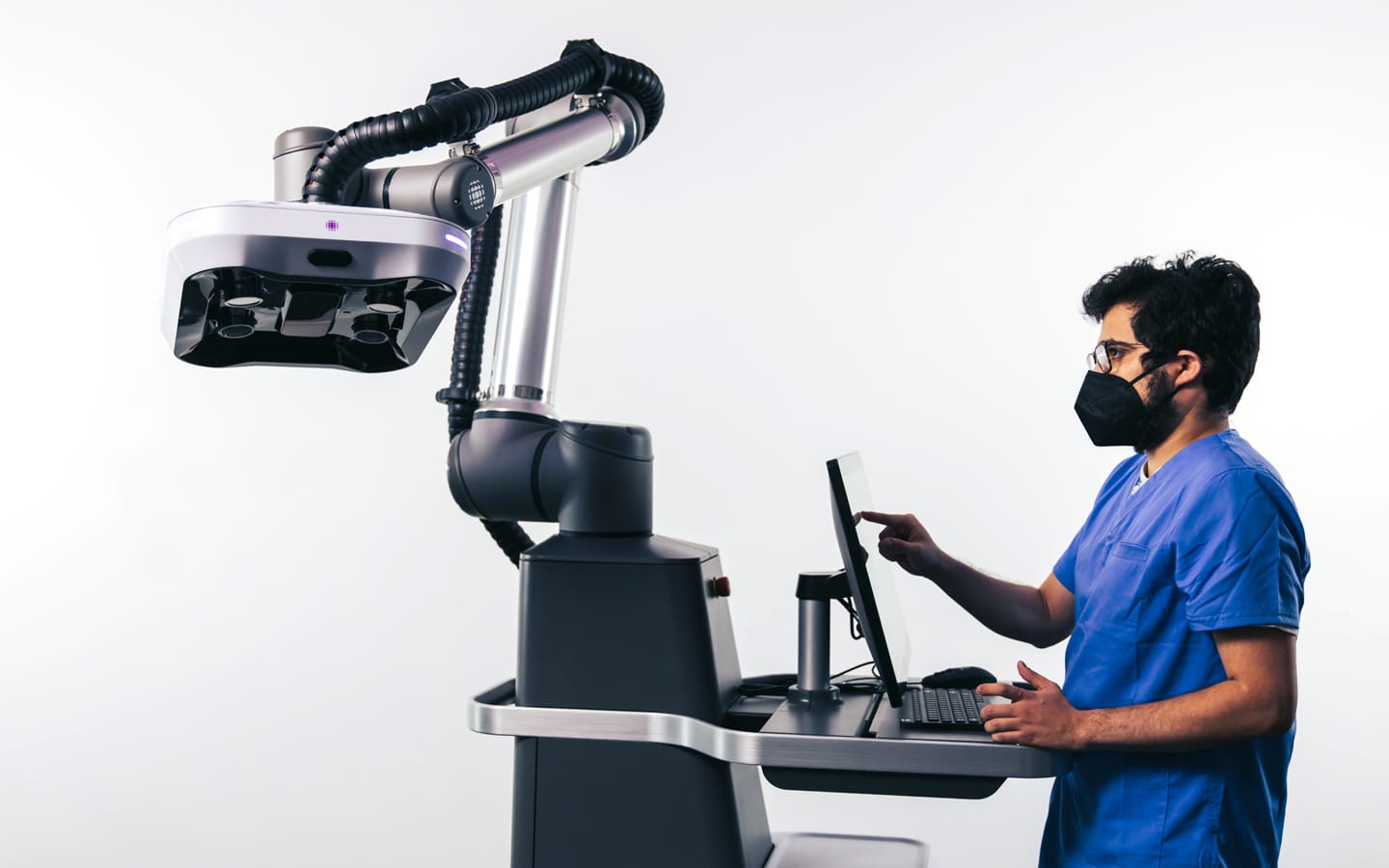
Today’s surgeons rely on a mix of legacy tools and technologies that compromise surgeries requiring precision, efficiency, and safety. Proprio is a med-tech company that seeks to improve surgeries through immersive, intelligent technologies. Paradigm️ is their first platform that revolutionizes surgical
performance using multi-modal image registration and light field technology to provide virtual and mixed-reality displays. Tactile-led hardware design and engineering collaboration on the entire system help put this technology in a product suitable for operating rooms. The Proprio Paradigm system was named one of TIME’s Best Inventions in 2025 and a winner of a 2024 IDEA Silver Award and 2024 Good Design Award.
System Hardware Components
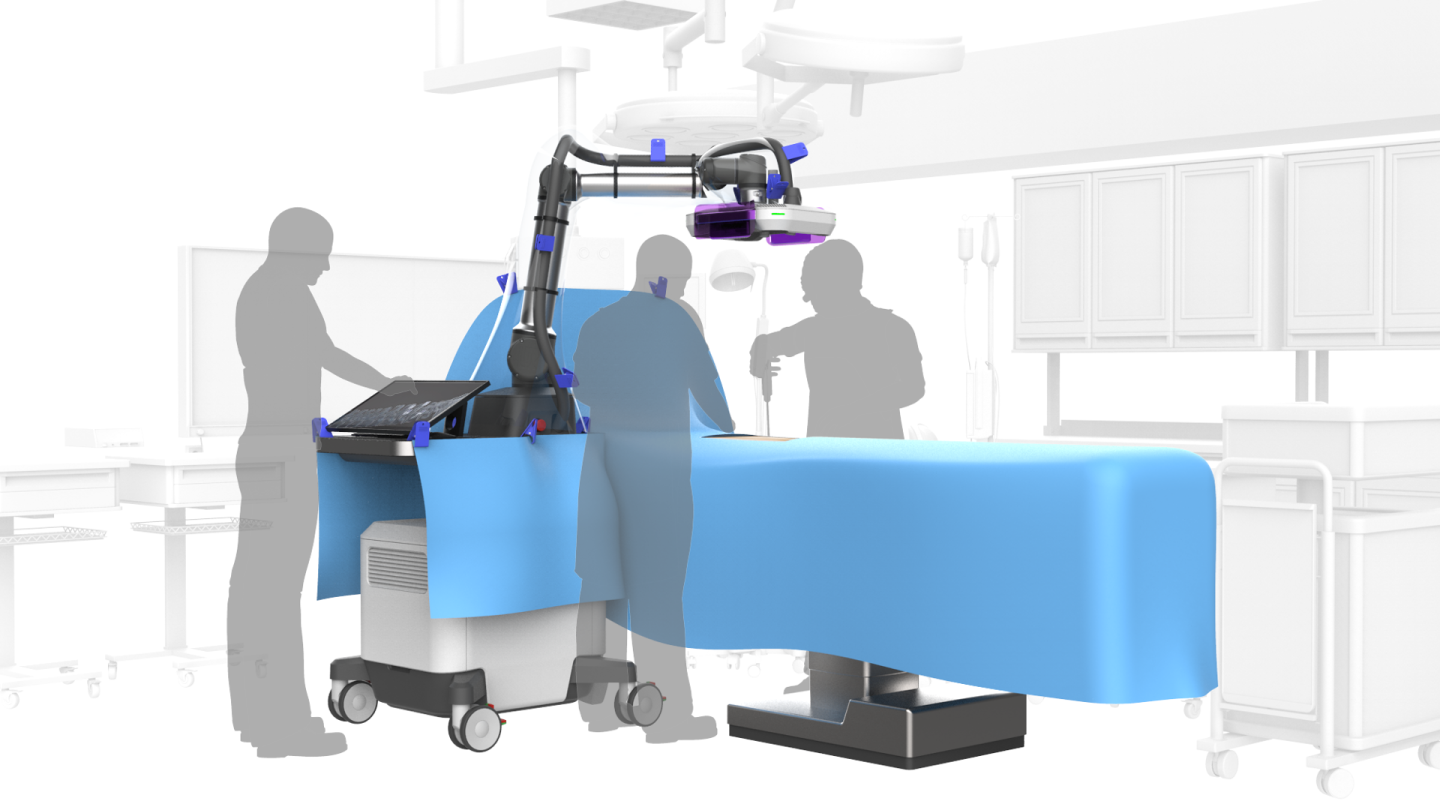
The hardware centered at the core of Paradigm️’s platform is Prism™, an array of image sensors, 3D scanning equipment, and video cameras held by a robotic arm positioned above the sterile field in an operating room. The robotic arm extends from a medical cart containing the computer, driver, power,
and interface components powering Proprio’s Adaptive Registration. An integrated workstation table and display provide pre-operative and intraoperative utility, while standalone monitors assist surgeons with critical 3D imagery mapped in real-time to the patient’s anatomy.
Function First
At the onset of this project, our design process was driven by functional opportunities to optimize use in the operating room. We advised component architecture, user scenarios, and environmental
contexts. Getting these fundamentals defined at the beginning of our process gave the proceeding design effort clarity and confidence for Proprio.
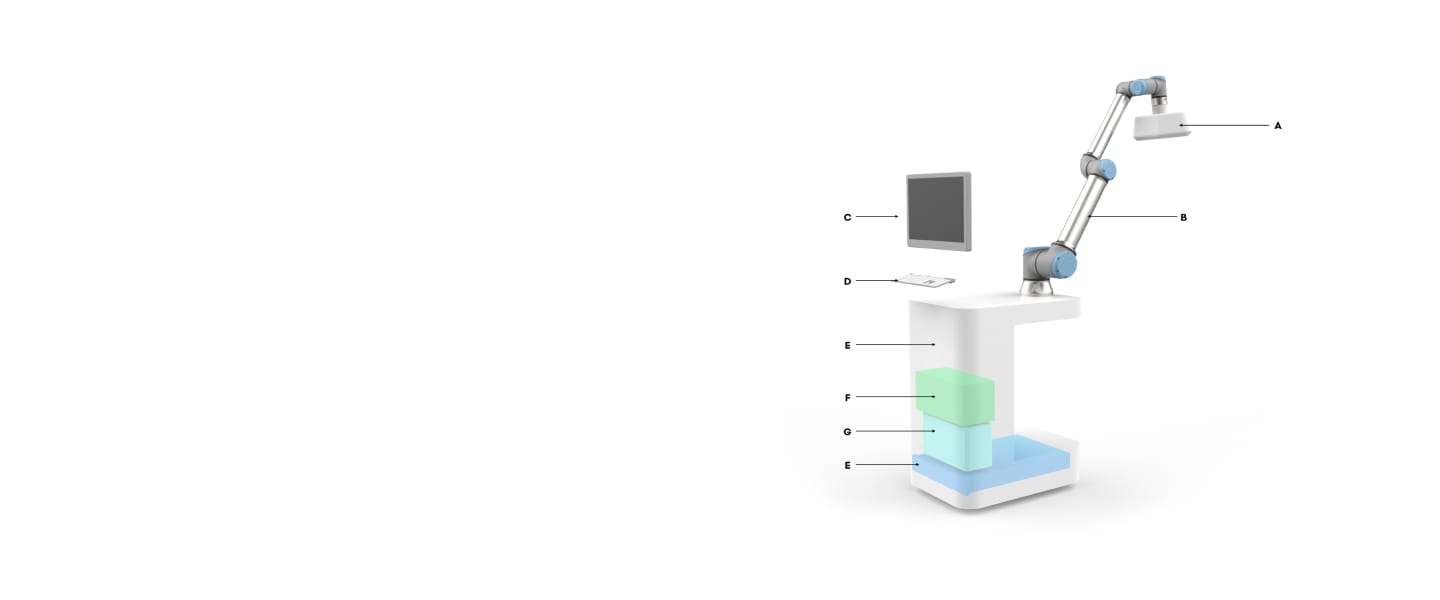
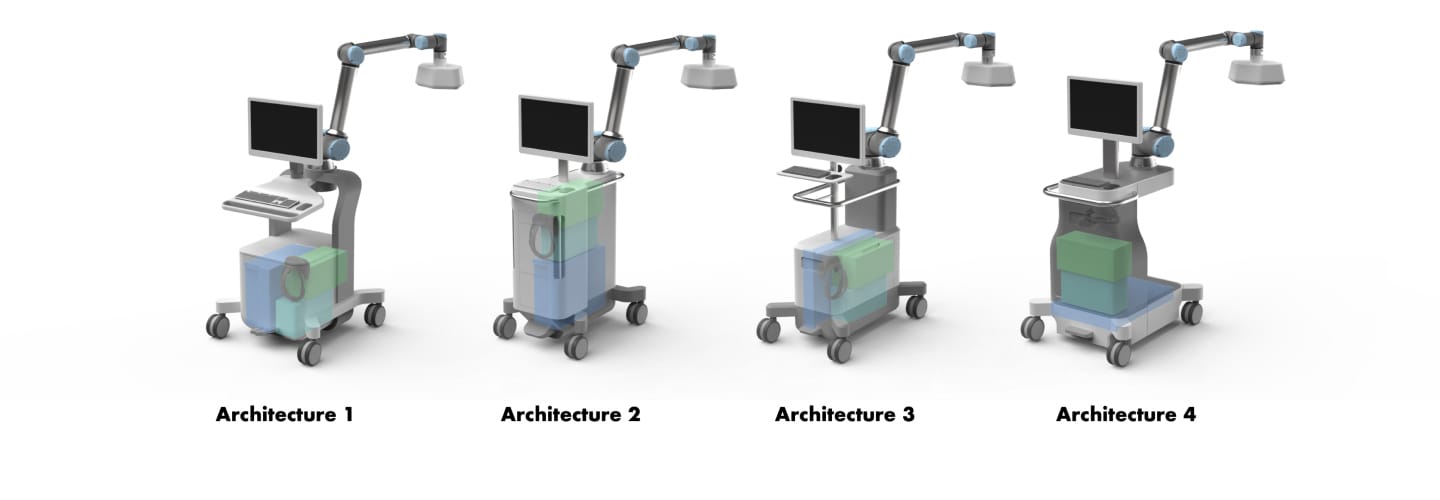
Volumetrics and Architecture
Component architecture concepts evaluated stability, camera reach, integration with the OR table, ergonomics, workstation use, and storage configurations. Each option resulted in a unique volume which informed form exploration and suitability in the operating room.

Form Exploration
Forms were brainstormed with sketches inspired by brand guided themes such as advancement, seamlessness, accuracy, and precision. These qualities were paired with functional attributes like cleanability, durability, adaptability, and serviceability.
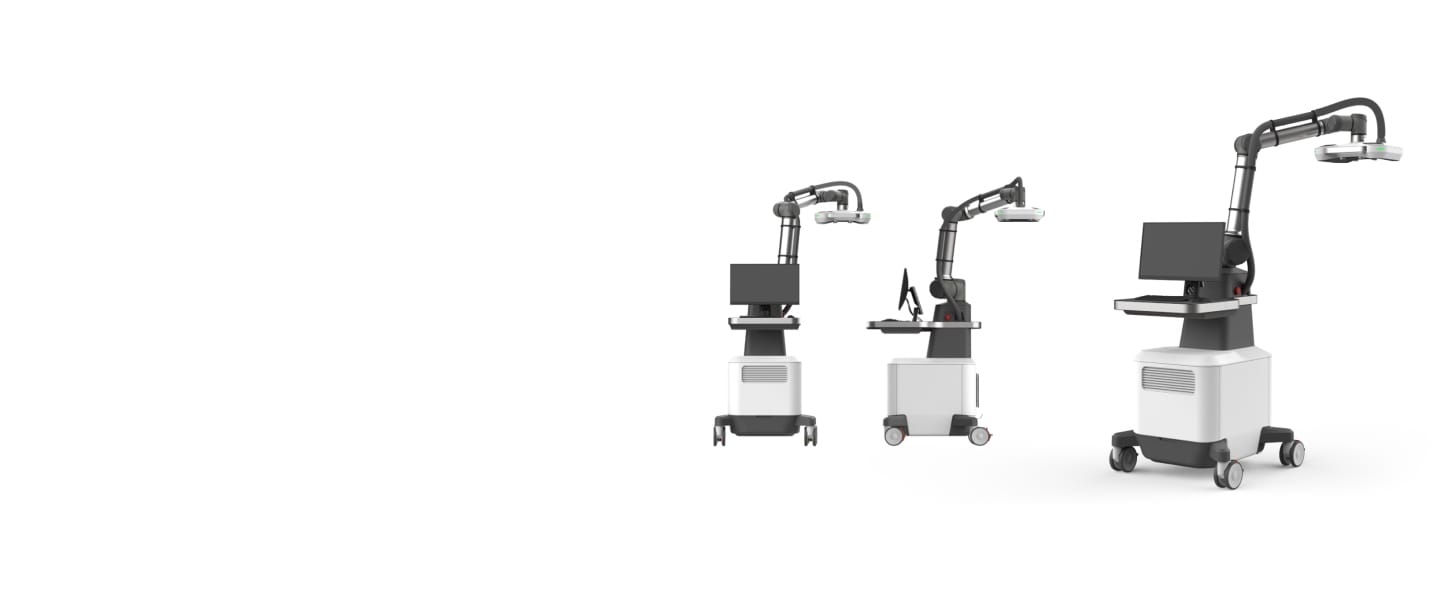
Concept Refinement
With greater resolution at each step of the design process, we defined details like robotic arm integration, workstation deck, part breakup, venting, cable ports, E-stop location, storage, cable locations, and handles.
Ergonomics
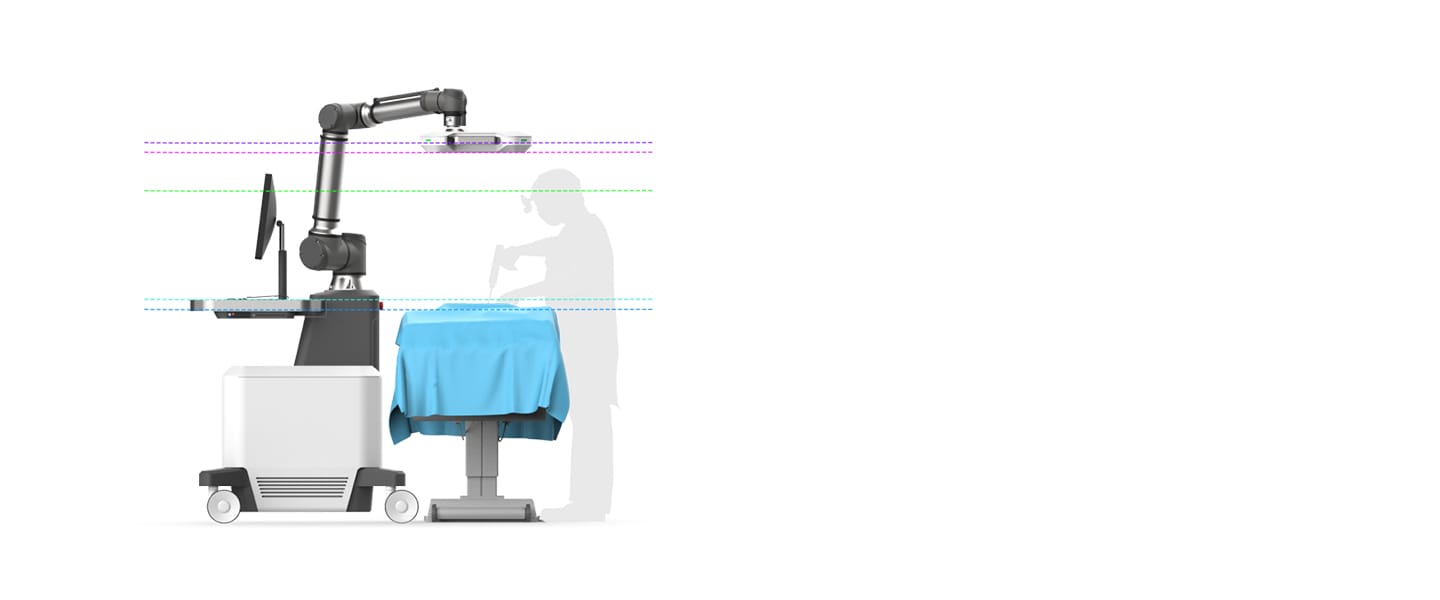
A critical dimension to determine was the minimum base height of the robotic arm, which extends the 3D sensors above the patient. We used ANSUR data to approximate ideal operating heights which informed camera array height. Arm reach and mount height were plotted for users of various percentiles.
Expressive Thermal Management
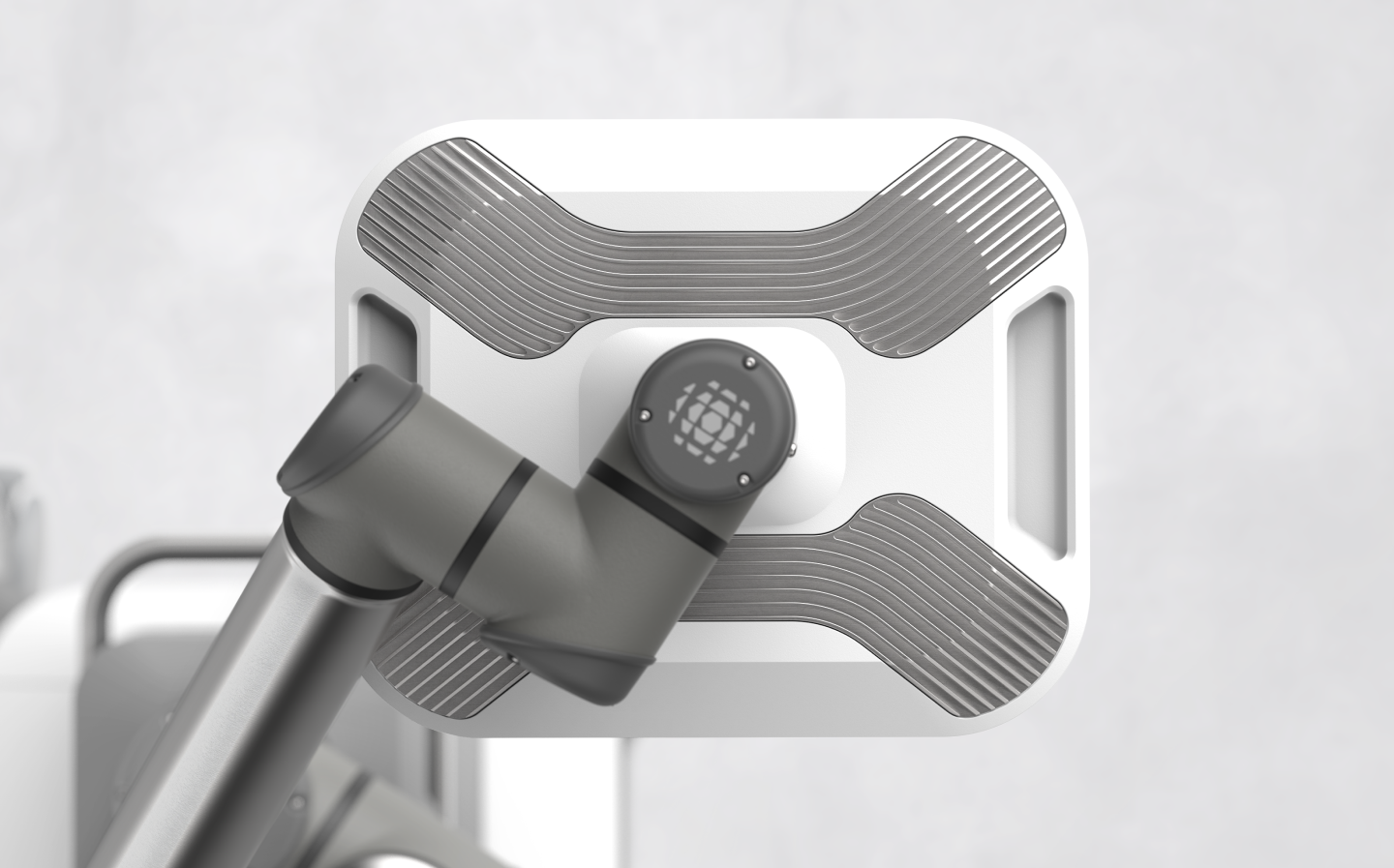
Heat produced by the optical sensors required cooling, provided by exposed heat sink fins. This part was machined from solid metal and detailed with flowing lines to accentuate the design and express its
advanced scanning technology. Furthermore, the cart’s venting repeated this expressive approach with a visual metaphor of intaking breaths.
The Value of Prototyping
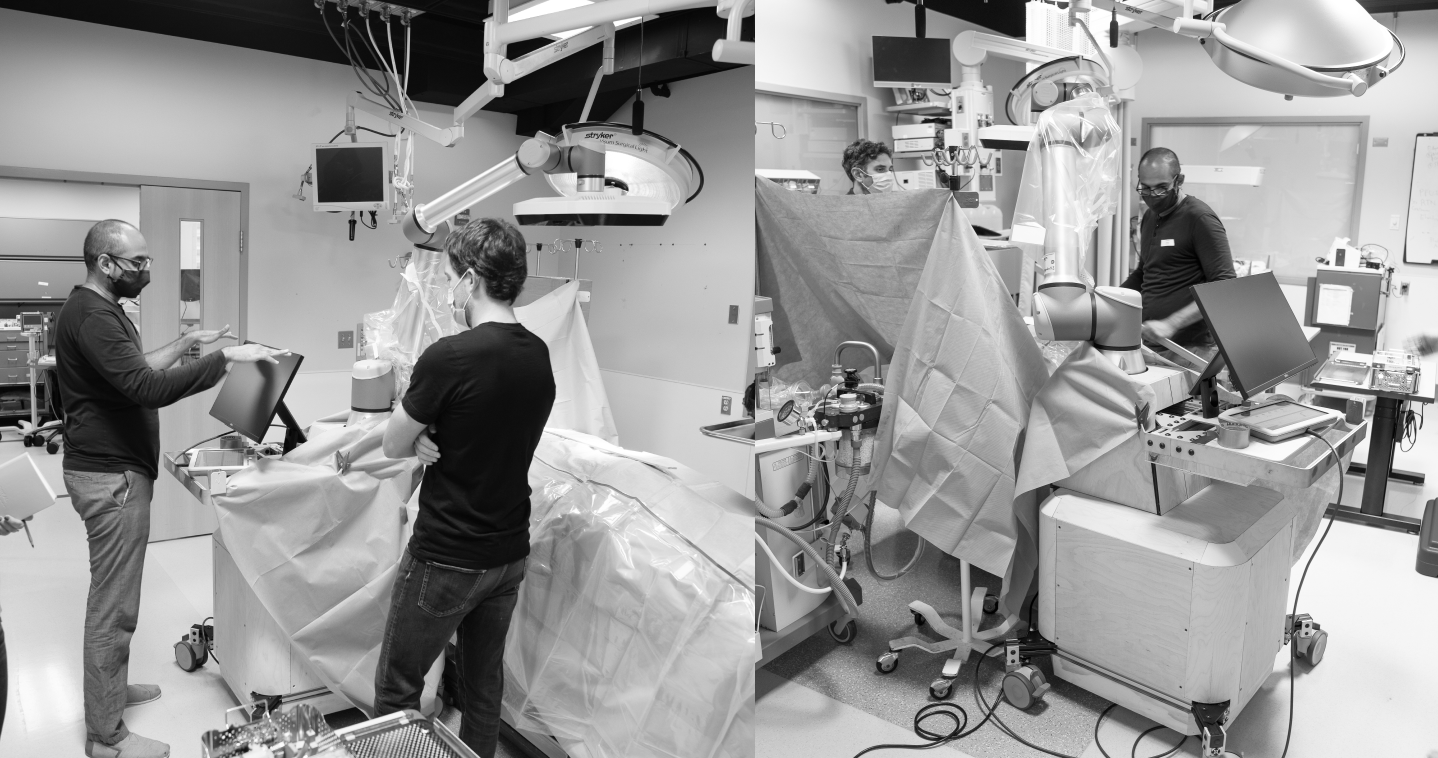
Full-scale models are the only way to confidently validate a concept. After defining the principle design, we prototyped our ideas to test out assumptions and discover new insights. The proof-of-concept model was built to easily swap components throughout the process based on findings. For instance, the rear I/O panel was updated to test different plug-ins, spacings, and angles. The 3D printed camera array housings were interchangeable and multiple monitors were sourced.
The fidelity of our physical mockup blended a mix of design intent and material practicality to make sure it conveyed important attributes of volume and ergonomics, while ignoring unimportant details like color and material that would add unnecessary time and cost. We deliberately included certain design details like the large radiused corners and the wrap-around handle because they impacted perceived volume and unification of form.
The Future of Medical Technology
The Proprio Paradigm system exemplifies a vision for improving people’s lives through better medical technology. It belongs in a surgical ecosystem designed for the best assistance to surgeons, OR staff,
and hospitals. With Proprio’s proprietary technology and their team of trailblazers, we’re excited to see a future of continued innovation.
Seno Imagio
February 21, 2023
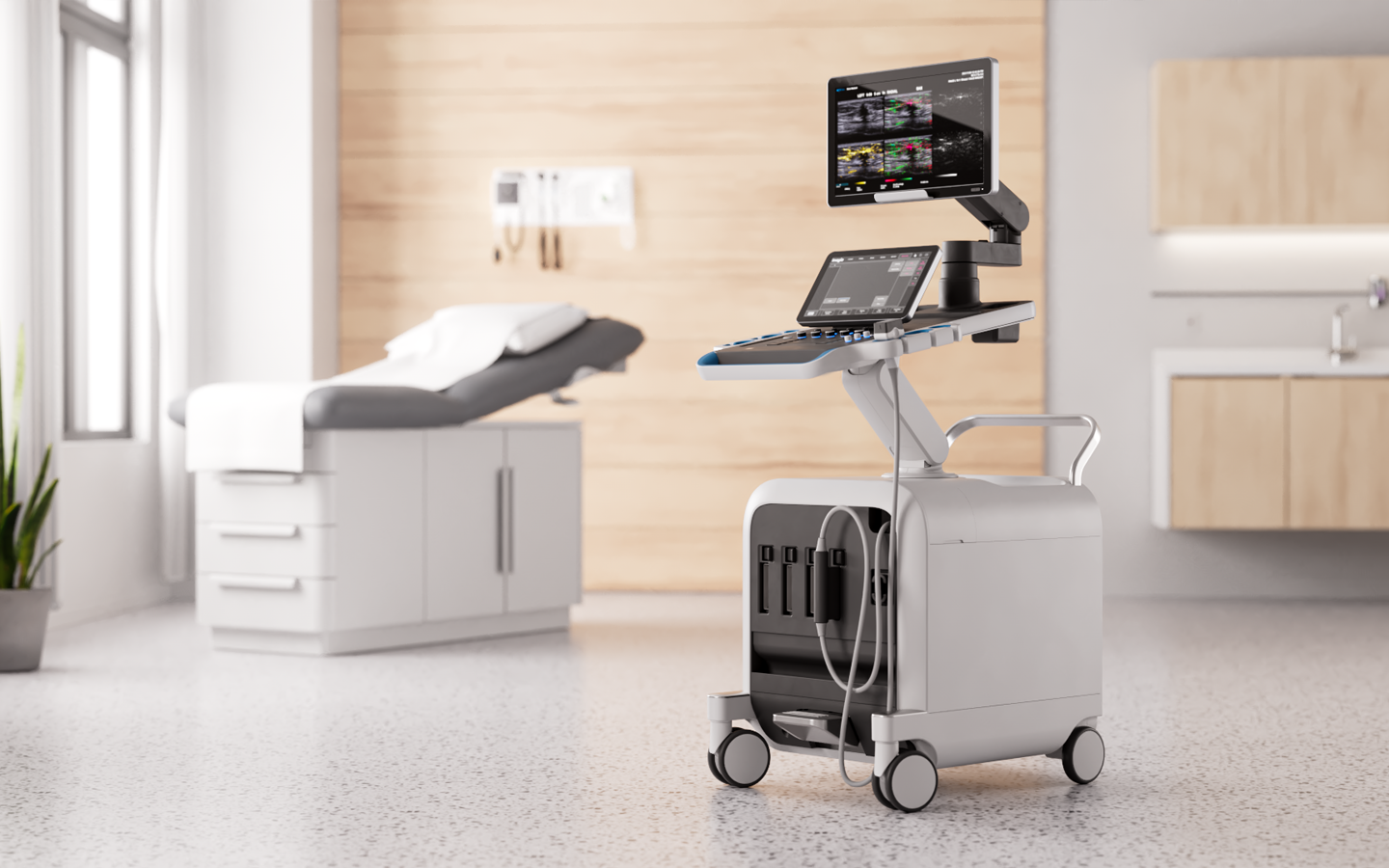
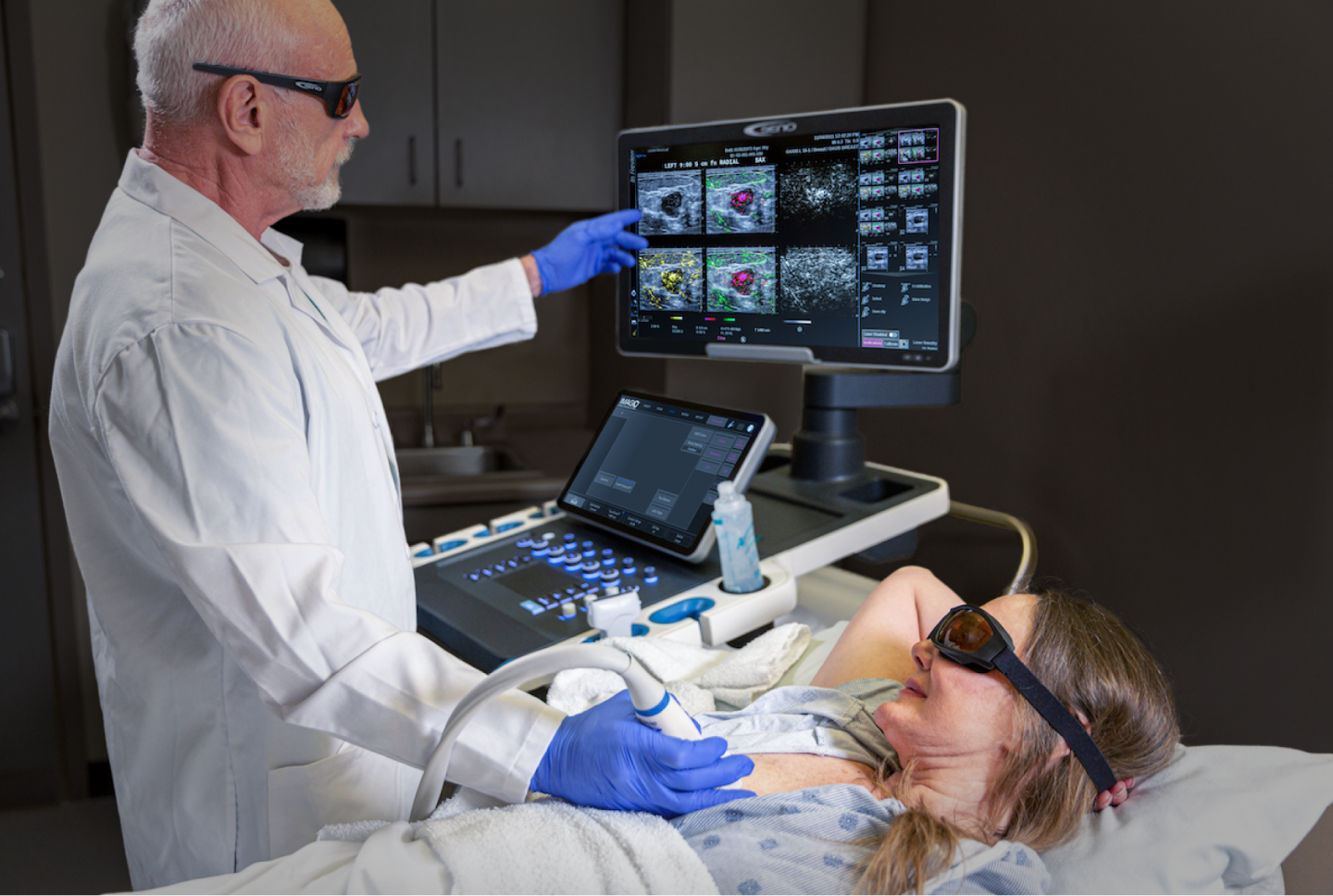
To reduce unnecessary breast biopsies, Seno Medical Instruments, Inc. developed Opto-Acoustic Imaging, a diagnostic technology that distinguishes malignant and benign tissue more accurately than others. Their system combines laser and ultrasound imaging in real-time, to produce high-resolution, high-contrast
images of new blood vessels surrounding a malignant tumor. This groundbreaking technology is contained within a complex medical cart, offering several functional benefits for clinicians, service technicians, and patients alike.
Design and Engineering
Seno Medical enlisted Tactile to help with the industrial design and mechanical engineering of their next-generation medical device, Imagio®, which uses their Opto-Acoustic imaging to diagnose breast cancer and in many cases, without a biopsy.
Like many of our clients, Seno Medical has a fully operational engineering department. However, we offer engineering specialty skills that complement any organization interested in bringing new products to life.
Our Design
Process
To help Seno Medical to determine critical features of the device functionality, we worked with Seno Medical from the earliest stages of industrial design concept generation, defining volumetrics, end-user interaction, and mechanical engineering architecture.
Usability and Architecture Exploration
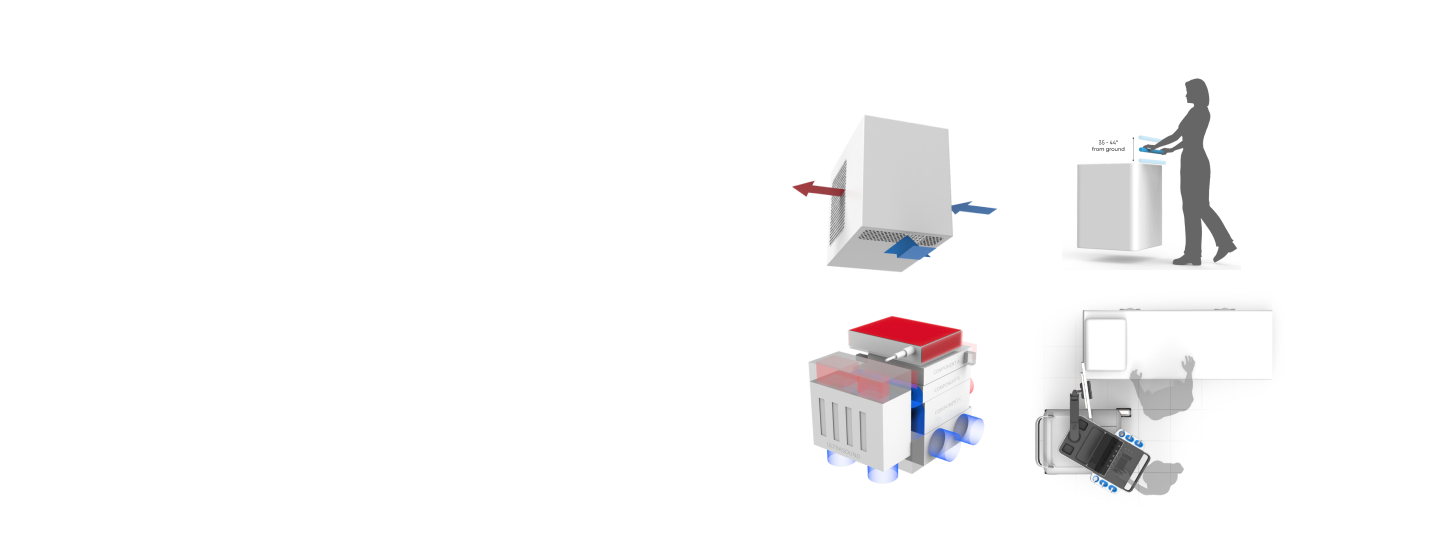
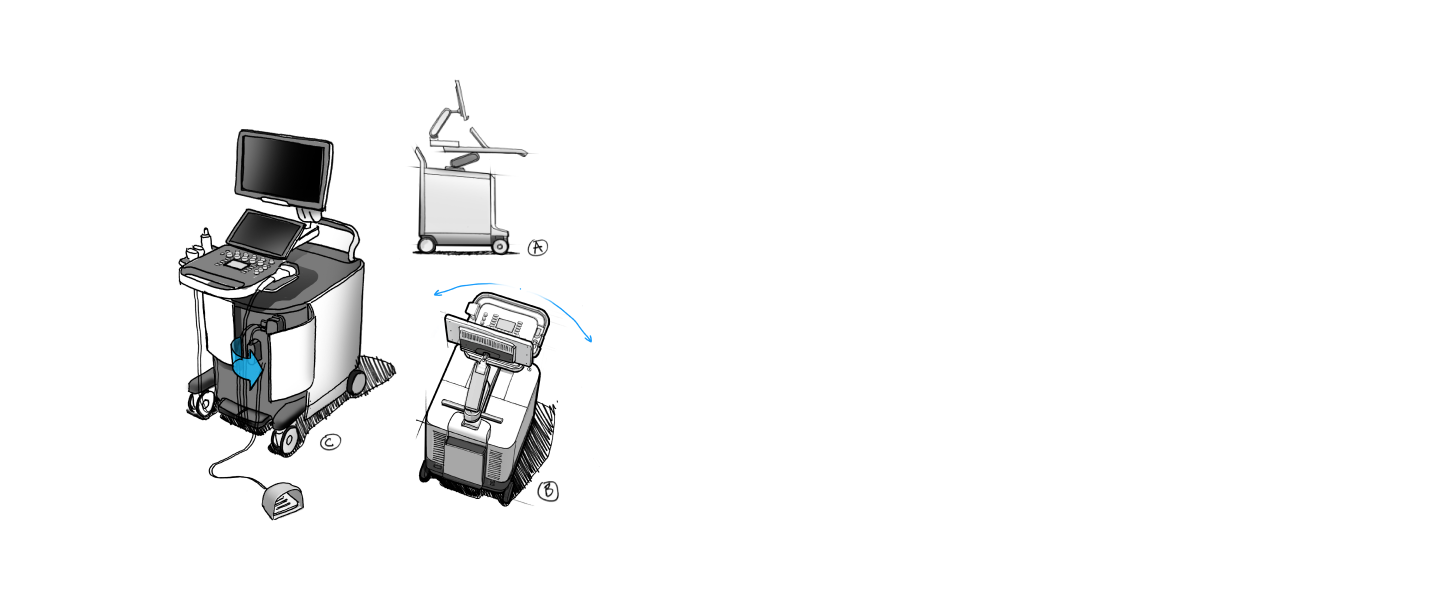
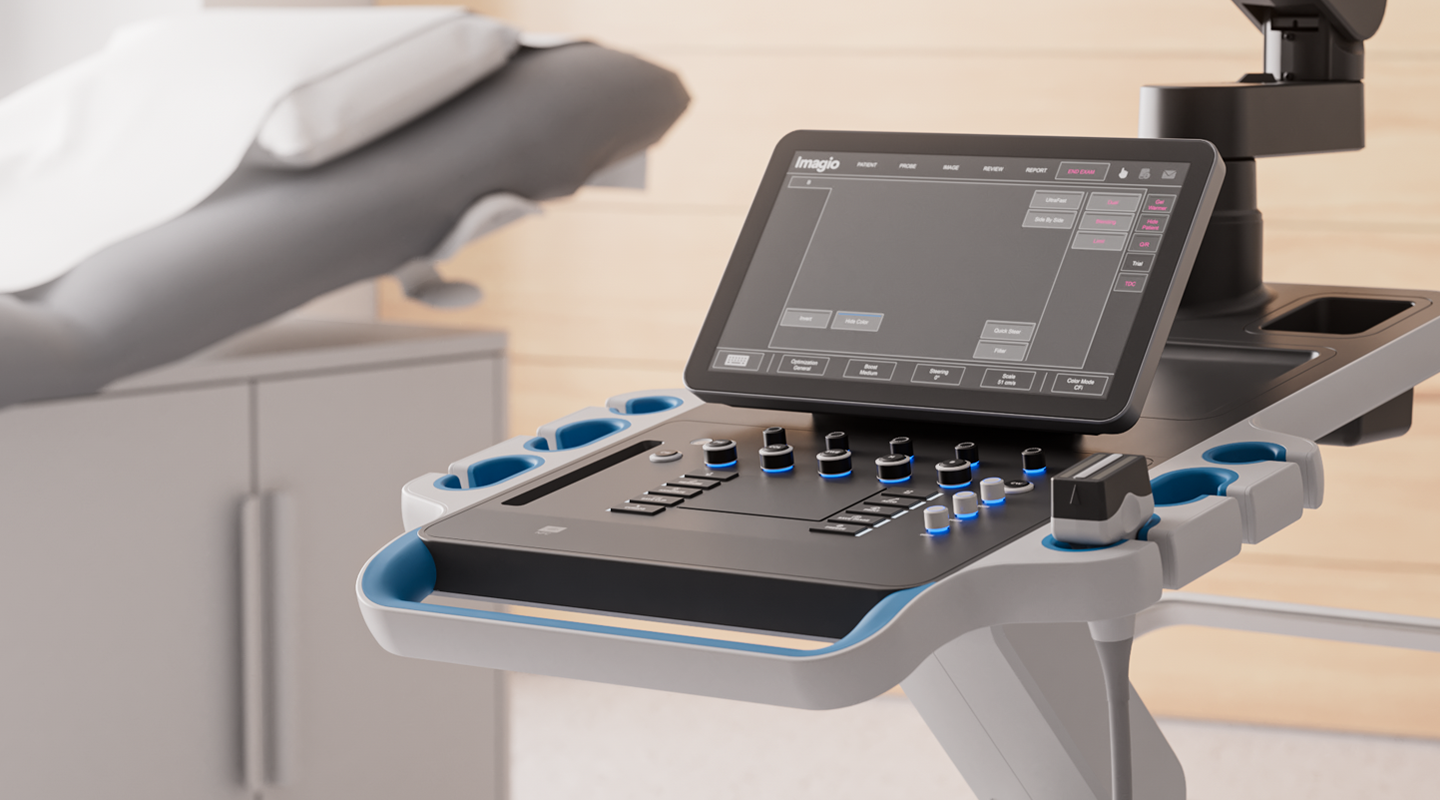
Although Seno’s component technology was established, the arrangement of each part in the cart was up to Tactile’s strategy for space optimization, thermals, accessibility, wire routing, and weight distribution. Usability recommendations included cable management ideas, height guidelines for console use, monitor range of motion, clinic room scenarios, and cart mobility.
Design Concept Exploration
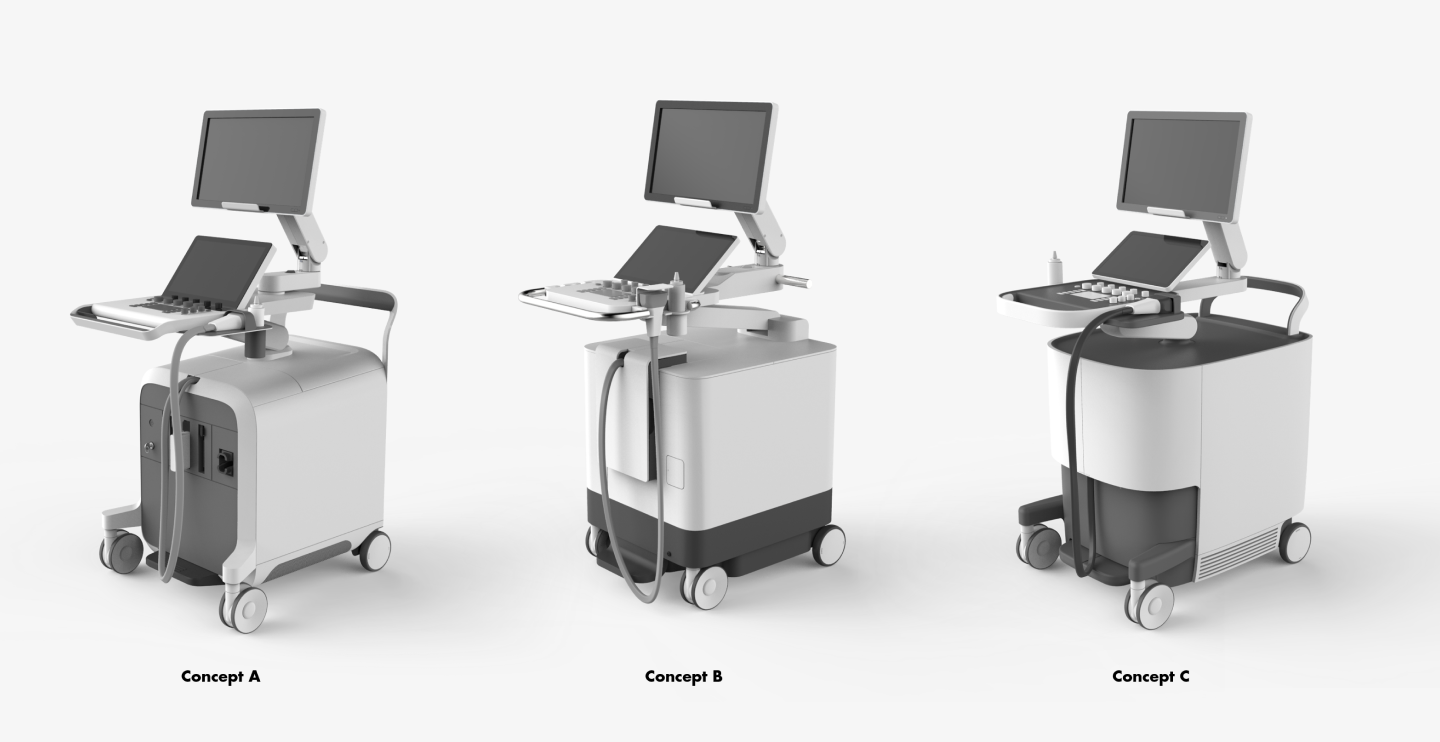
Three design languages were presented to show how they compare product attributes like precision, efficiency, and usability. For instance, the chosen language of chamfers, angles, and exposed ports was best suited for communicating durability, practical functionality, and trustworthiness. Better yet, the design accommodated low-volume production methods like sheet metal and cast parts.
Design Refinement and Engineering
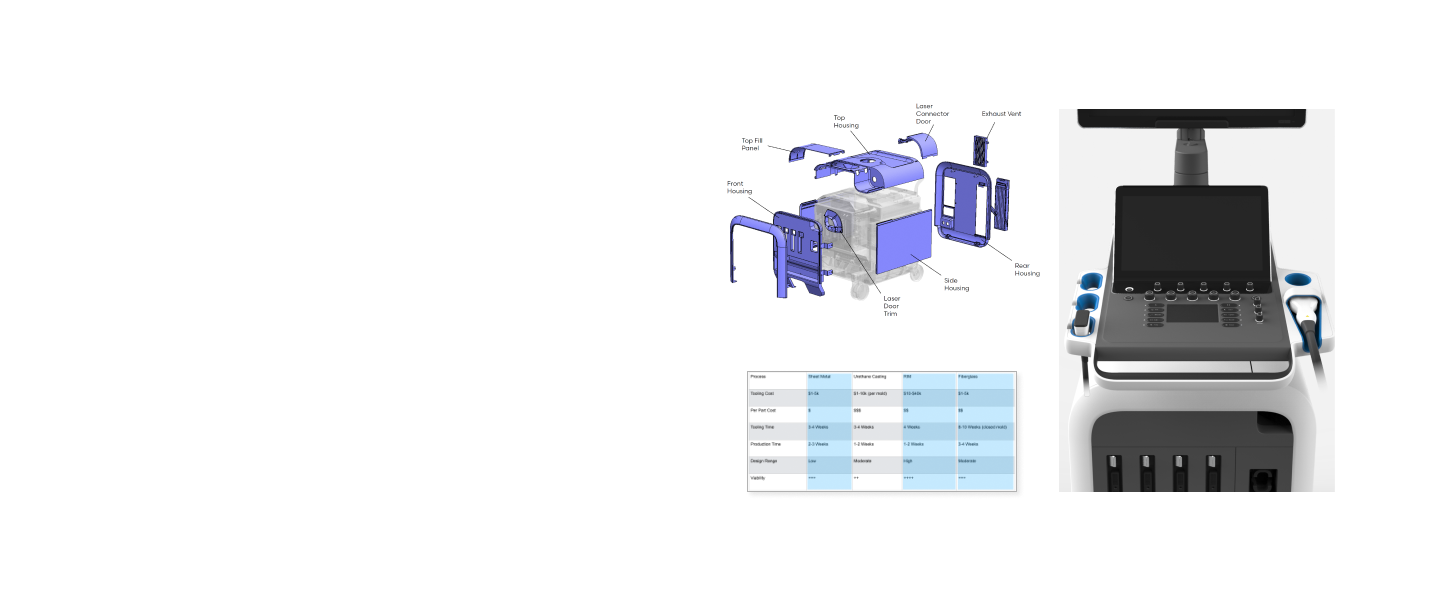
After narrowing on a design direction, details were resolved like console buttons, laser safety storage, cable and plug installation, wheel clearances, filter access and peripheral storage. Colors, finishes, materials, and branding graphics were defined too. This phase initiated engineering efforts of part breakup, manufacturing strategy, serviceability, and technical feasibility for challenges like wheel breaking and armature movement.
Validation
Testing
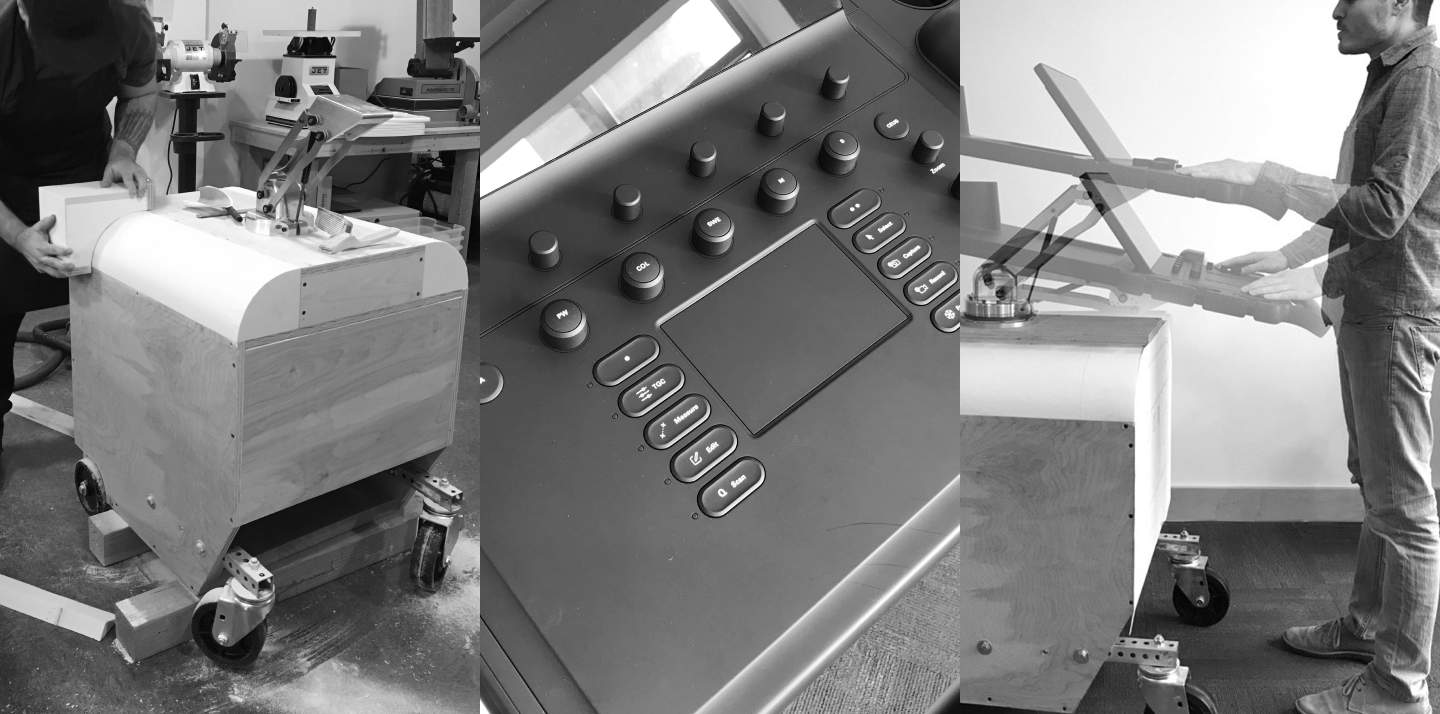
Tactile mechanical engineering specializes in providing the highest quality services from the earliest stages of visualizing a product, building mockups to get a sense of scale, validation, ergonomics, to providing a proof-of-concept (POC) functional prototype.
Articulating Armature
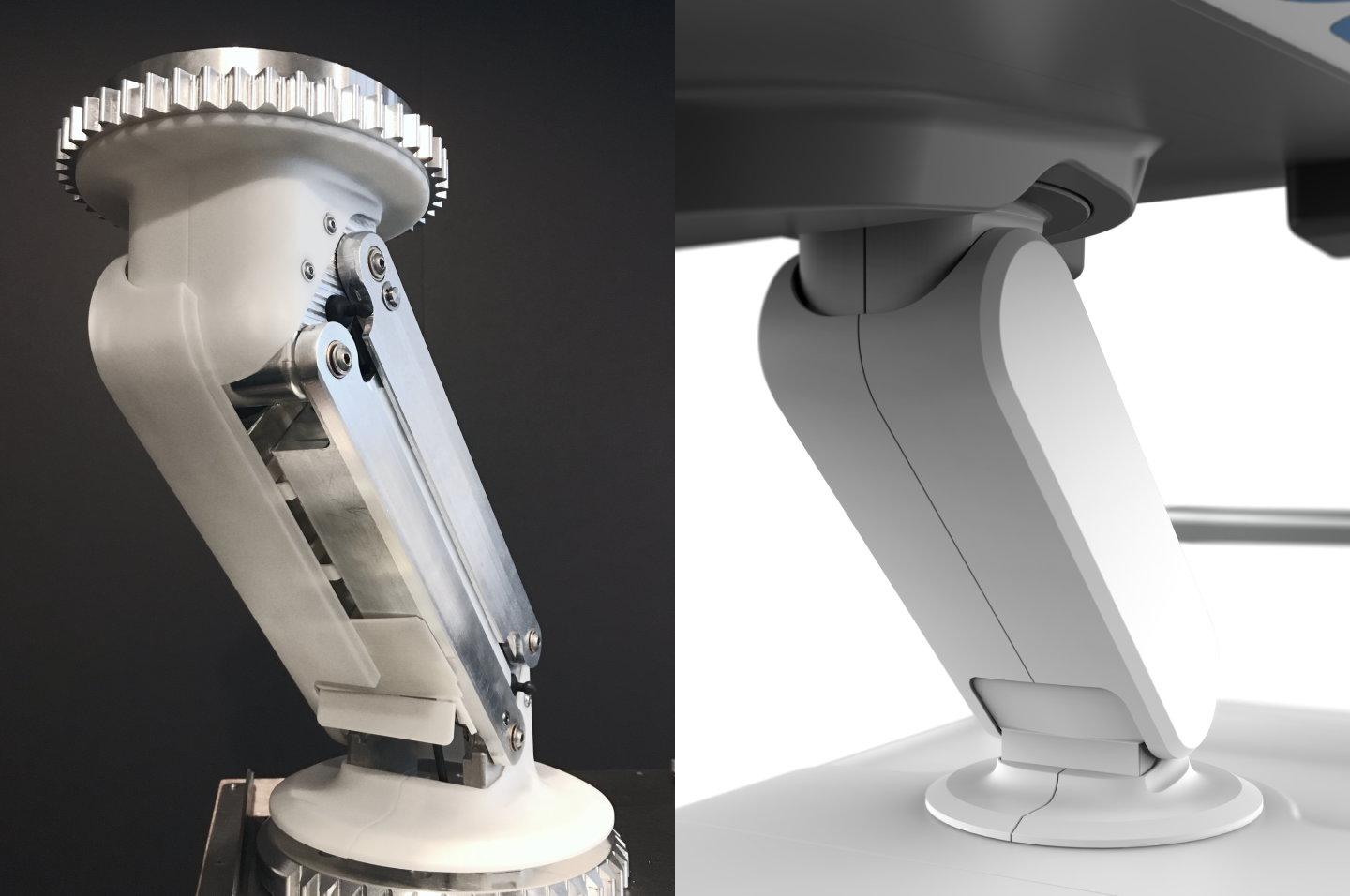
Imagio® is a complex medical cart weighing over 400 pounds. Tactile built an articulating armature that’s capable of holding the weight of the user-interface console, positioning the display and user-controls close to the bedside as well as capable of moving the whole cart when locked into position. We explored many options and finalized on a four-bar linkage design with gas-assist for raising the user interface
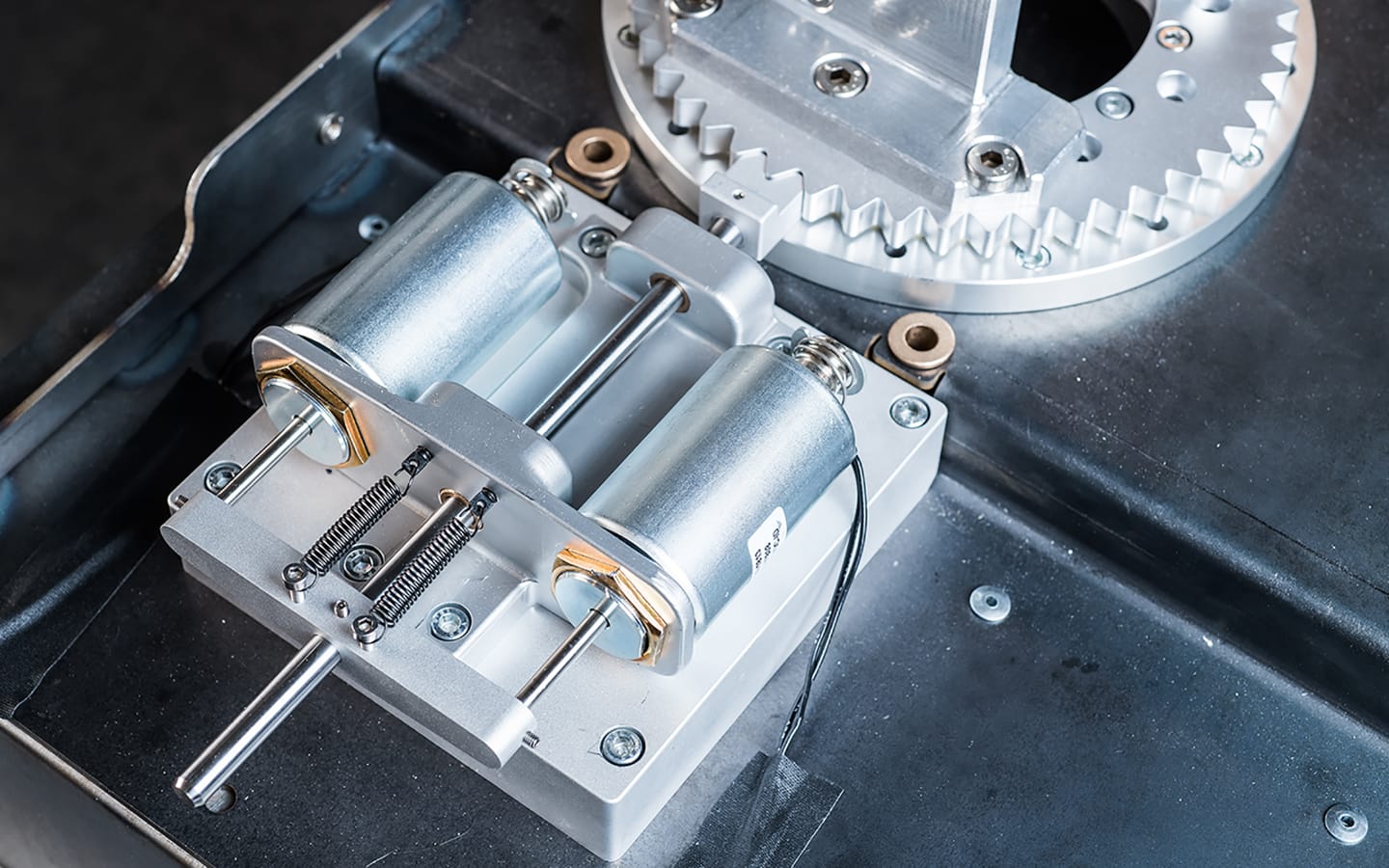
console. Additionally, low-friction slew bearings were used to allow for two points of rotation both at the cart interface and at the console interface. The armature is locked into position when inactive and electromechanical silinoids are utilized for unlocking the armature in short intervals to move the arm into the desired position.
Thoughtfully
Designed Inside
and Out
Throughout the project, Tactile’s design and engineering teams worked together to ensure that the outcome functioned as well as it looked. Aesthetic details like durable chamfered corners, wipeable surfaces, and intentional feature locations were married with engineering details like precision machined gears, and sliding armature panels that conceal mechanics. Through constant collaboration, the final design remained faithful to the initial concept.
Compact Wheel Lock
A simple and intuitive foot-activated locking mechanism was built for the two front wheels of the cart. This is complicated by the position and wheels out away from the cart. We designed a mechanism,
which mounts to a flat plate for rigidity and takes up very little space while also making the foot-activated lock serviceable in the field.
Clever Component Access
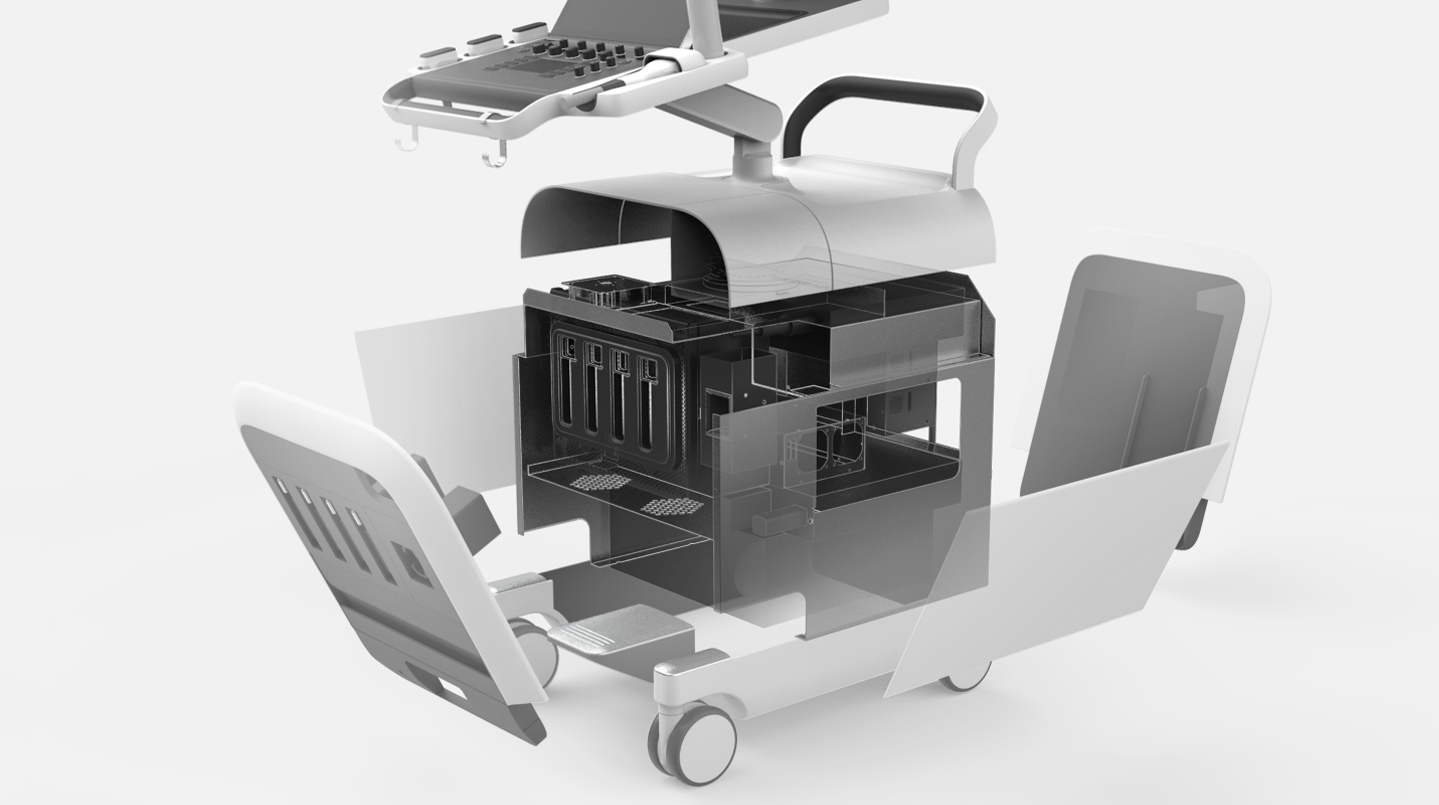
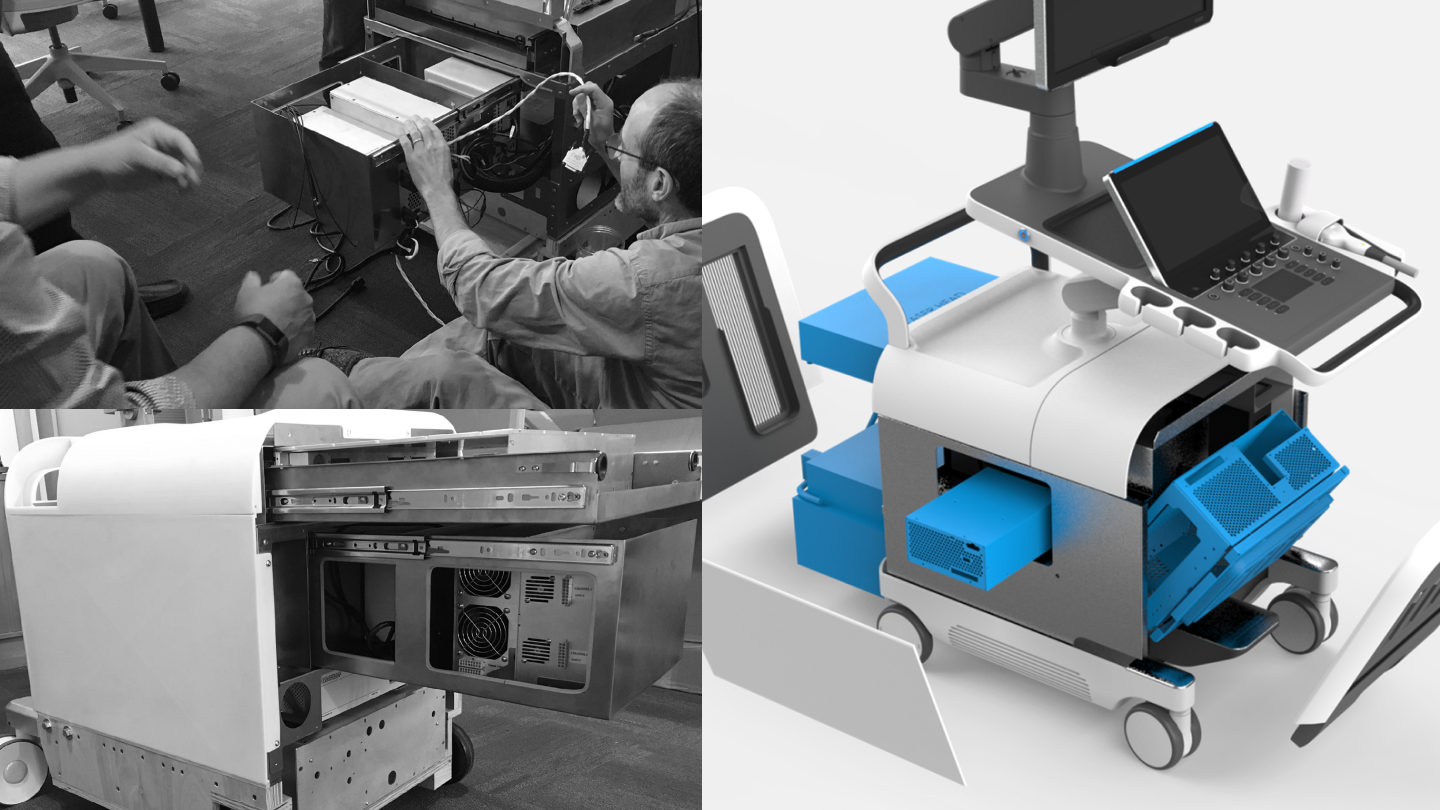
Due to Imagio®’s size, the unit needed to be reliable and easily serviceable on-location by trained technicians. We developed a drawer system for the most frequently serviced internal components. The service technician can remove a few discrete screws on the device along with three body panels, offering direct access to cabling and any diagnostic connections. The compact drawer system allows all the components to be tightly packaged during use
but easily exposed during service. The drawer holds the weight of the heavy components during service and within their cord length so technicians don’t have the burden of lifting heavy loads, balancing components on small surfaces, or disconnecting circuits. This limits the drop risk for components, allowing for quicker re-assembly and permits diagnostic testing with the device in a partially assembled state.
Supportive Partners
The final deliverable was a functional POC prototype of the entire system, engineering validation unit, design files, and engineering specifications for many of the custom components of the system. We provided design and engineering specification documents that equip Seno Medical engineering to
bring the device to market. We take pride in being able to work alongside companies at any design stage they’re in to support their efforts toward definition, development, and realization of a new product.

ASSURE Wearable Defibrillator
October 26, 2022
Kestra Medical Technologies is on a mission to provide innovative, intuitive medical technologies to protect and support at-risk patients. From their earliest beginnings, Kestra has cultivated, studied, and embedded empathy for patients and those who care for them into everything they do. It’s in the Kestra technology, and it starts with listening. They call it Empathy Powered Design™. Kestra selected Tactile to help design the ASSURE® Wearable Cardioverter Defibrillator (WCD) system, a wearable medical
device and system to protect at-risk cardiac patients from sudden cardiac arrest. Comfort, safety, and usability emerged as top priorities and were incorporated into all aspects for the ASSURE system. A complete digital healthcare suite, the ASSURE system includes a patient app for engaging patients in their recovery and a remote patient data platform providing configurable notifications and clear patient data for healthcare teams.
Accuracy with Maximum Comfort
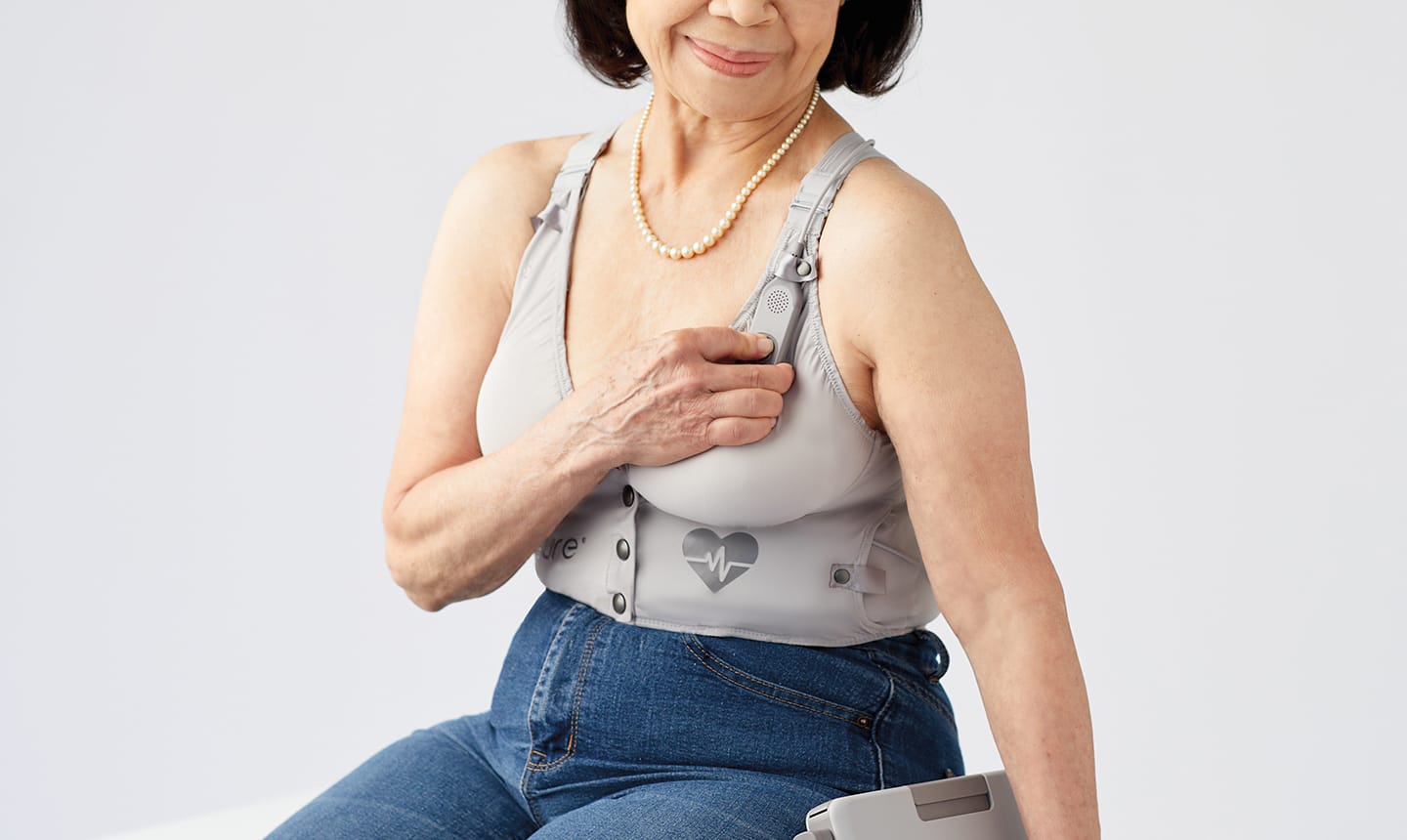
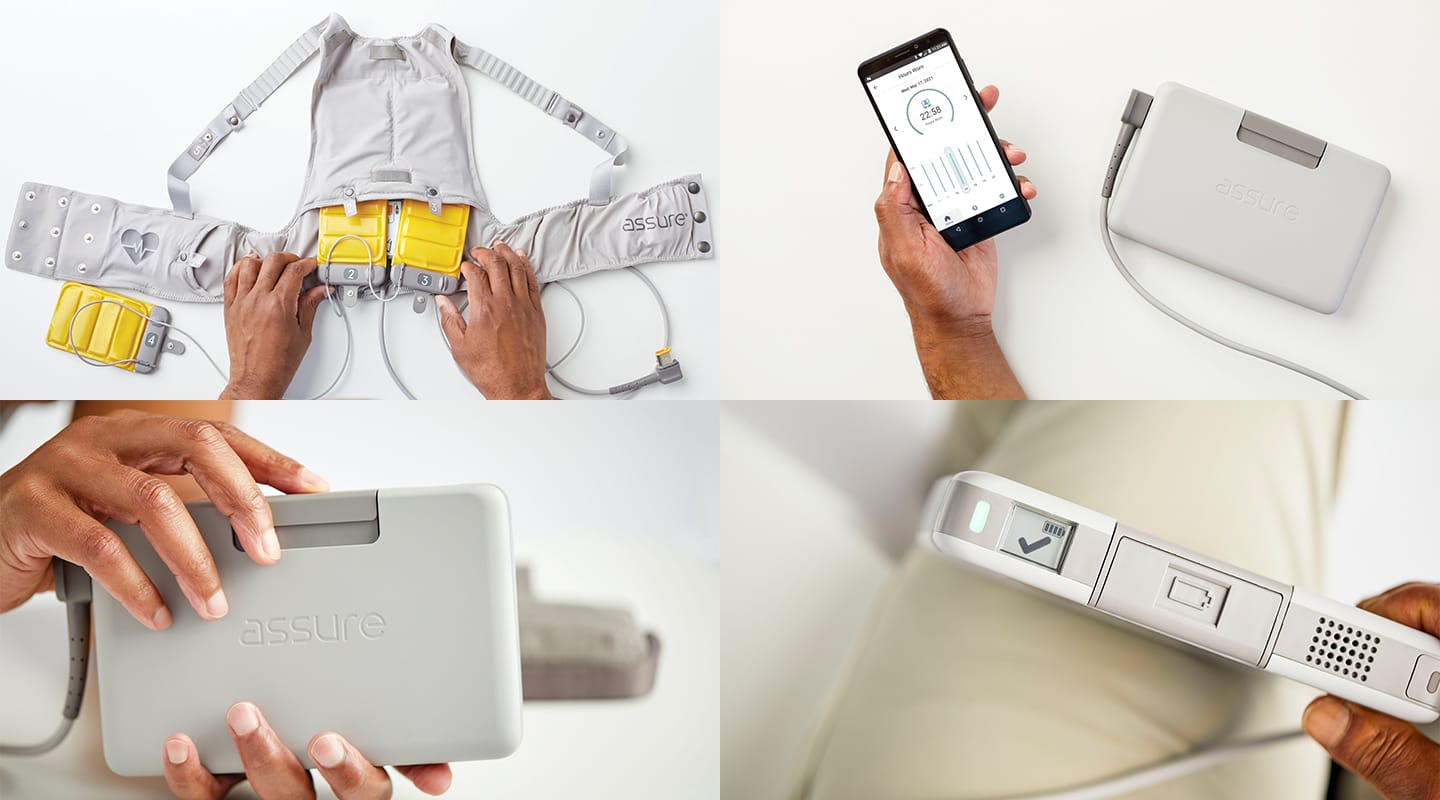
ASSURE WCD needs to be comfortable enough for patients to wear, around-the-clock, for 1-3 months. The design team constructed a garment using breathable, lightweight fabric designed to move as the patient moves. The electrocardiogram (ECG) sensors are cushioned and embedded to maximize
comfort and signal quality. From the beginning, the design team set out to solve the challenge of a wearable defibrillator in a mobile environment (walking, exercising, driving, etc.) to reduce false alarms and improve arrhythmia detection accuracy.
All in the Details
Many elements of the ASSURE WCD system design are intended to dramatically reduce the noise caused by motion artifacts. The SensorFit™ Garments are designed with cushioned, integrated sensors to keep the sensors snug against the skin. The sensor surfaces consist of high-quality silver, an exceptional conductor for electrical signals; they are “resistive” electrodes–smaller, thinner sensors with improved ECG quality. The ECG cables are custom-designed
with double-shielding specifically to reduce noise. Quad Channel Processing™ utilizes four channels of high-quality ECG to determine the patient’s heart rate and rhythm. The ASSURE Detection Algorithm includes an ECG filtering technique called Adaptive Patient Intelligence™, a proprietary technology that adapts to the patient’s heart rhythm to filter out artifacts caused by patient motion.

Detection and Protection
The ASSURE WCD system is an FDA-approved medical device used to continuously monitor patient heart rhythms that can provide automatic detection and defibrillation for ventricular arrhythmias. It uses integrated sensors, a cardiac rhythm monitor, and an automated external defibrillator, delivering a defibrillation shock to restore the heart’s normal rhythm when needed. Additionally, the ASSURE WCD system interfaces with a mobile patient application
and remote patient data platform for clinician review. The ASSURE WCD system monitors the patient’s heart rate for dangerous heart rhythms. If the system automatically detects a fast, ineffective heartbeat (ventricular fibrillation), or if the system detects the heart’s lower chambers (ventricles) are beating too quickly (ventricular tachycardia), a shock is automatically delivered to restore normal heart rhythm.
Maintenance and Monitoring
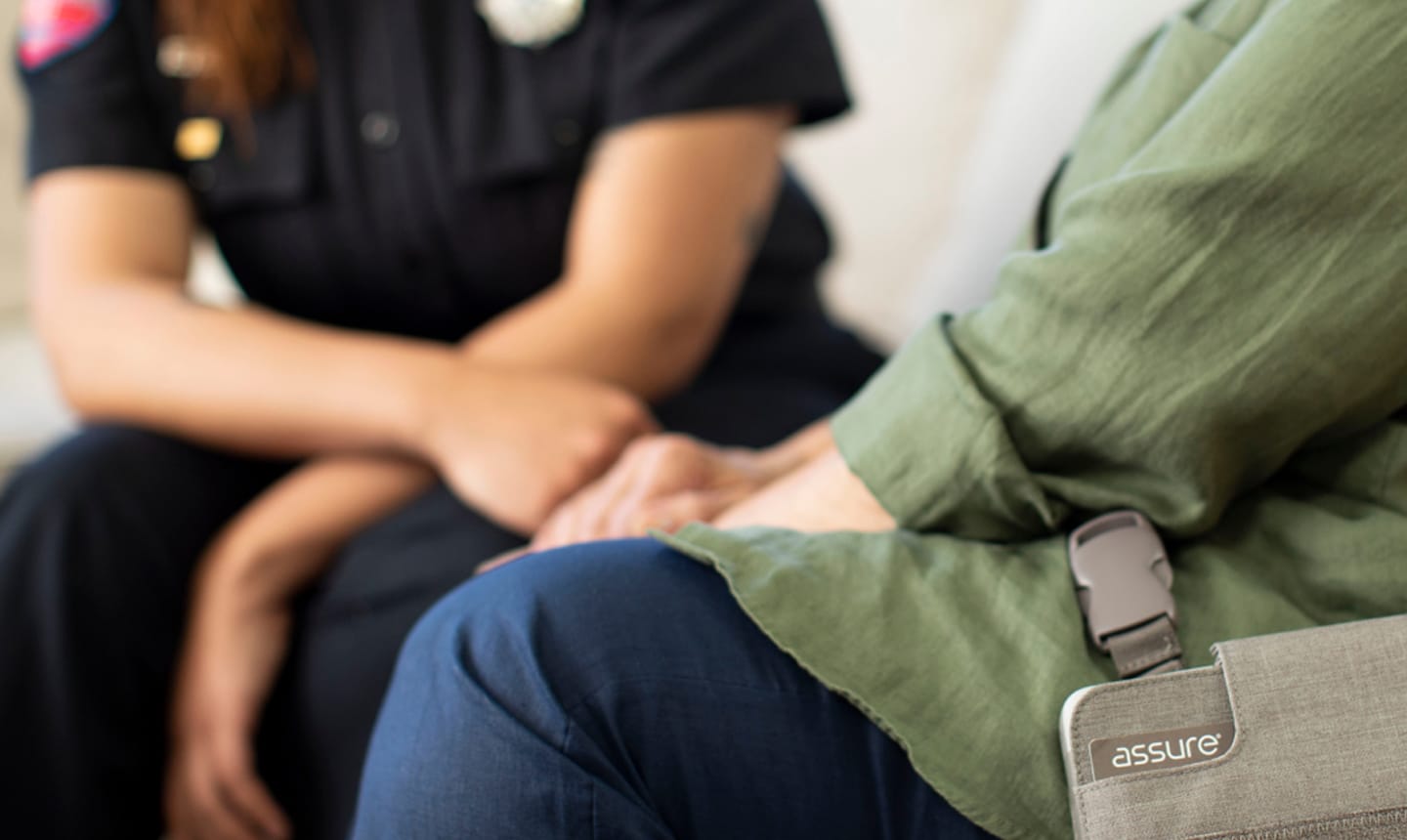
The ASSURE WCD system assures patients will be protected during their recovery after a cardiac event through improved comfort, reduced false alarms, and constant connection to their healthcare team. The ASSURE WCD is available in two different garment
styles in multiple sizes, ensuring a comfortable fit for most patients. To learn more about the ASSURE Wearable Cardioverter Defibrillator system, visit Kestra Medical.

Ebb Insomnia Therapy
June 26, 2017
Founder of Ebb™ Therapeutics and a board-certified sleep physician, Eric Nofzinger, M.D. is passionate and dedicated to finding successful sleep solutions. Dr. Nofzinger conducted brain imaging studies that led to identifying a breakthrough solution to treat insomnia. By gently cooling the forehead with a precise, clinically-proven therapeutic range, Ebb Insomnia Therapy reduces activity in the frontal cortex (part of the brain behind the forehead) to help calm racing thoughts and get people to sleep quicker without unwanted side-effects.
Ebb Therapeutics called on Tactile to help design Ebb Insomnia Therapy—the first and only FDA-cleared medical device to treat people with insomnia by reducing latency to Stage 1 sleep (the first stage of sleep) and Stage 2 sleep (the second stage and deeper stage that typically represents about half the night). Ebb Insomnia Therapy is a winner of a 2018 MDEA Silver Award.
Defying
a Stigma
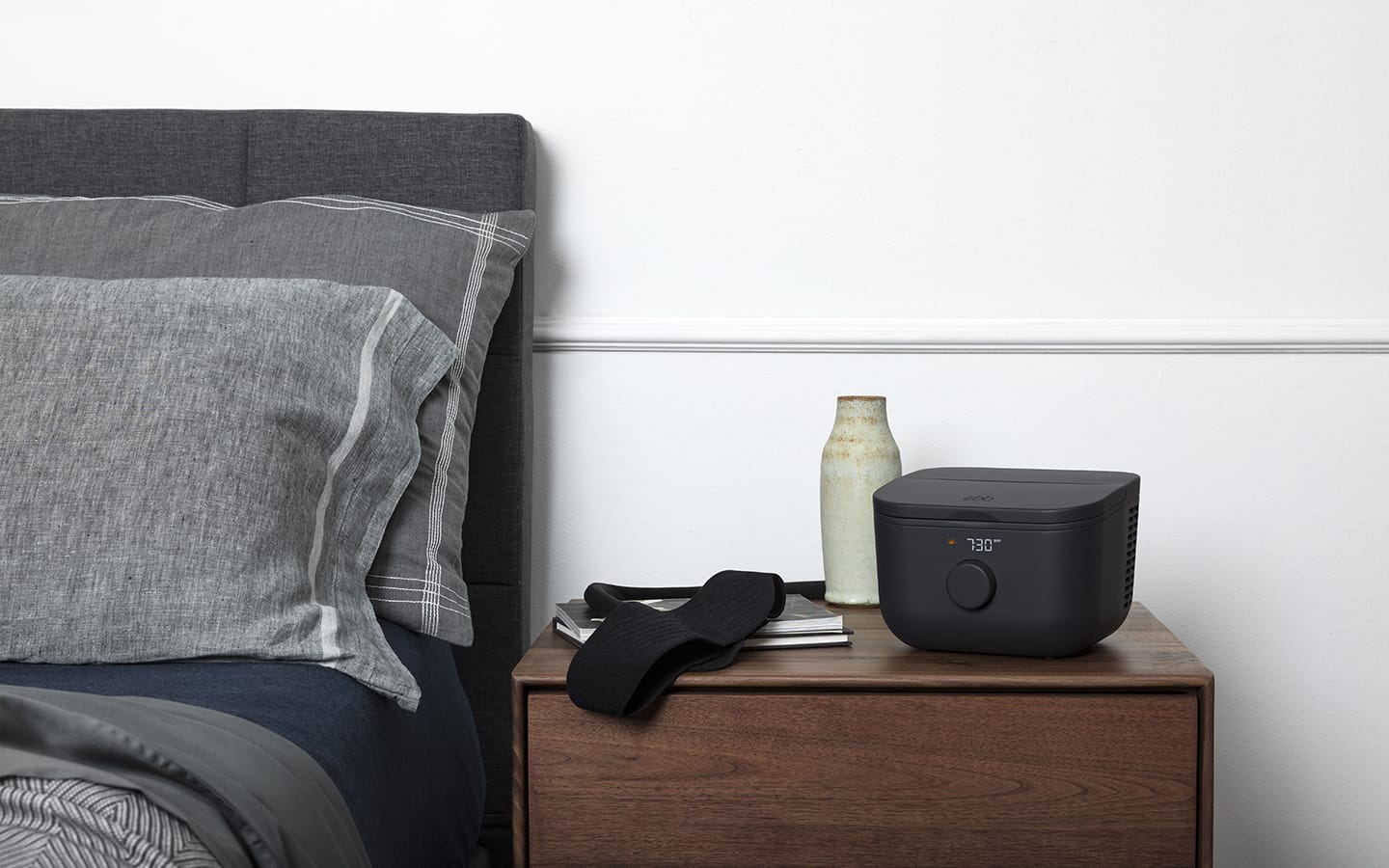
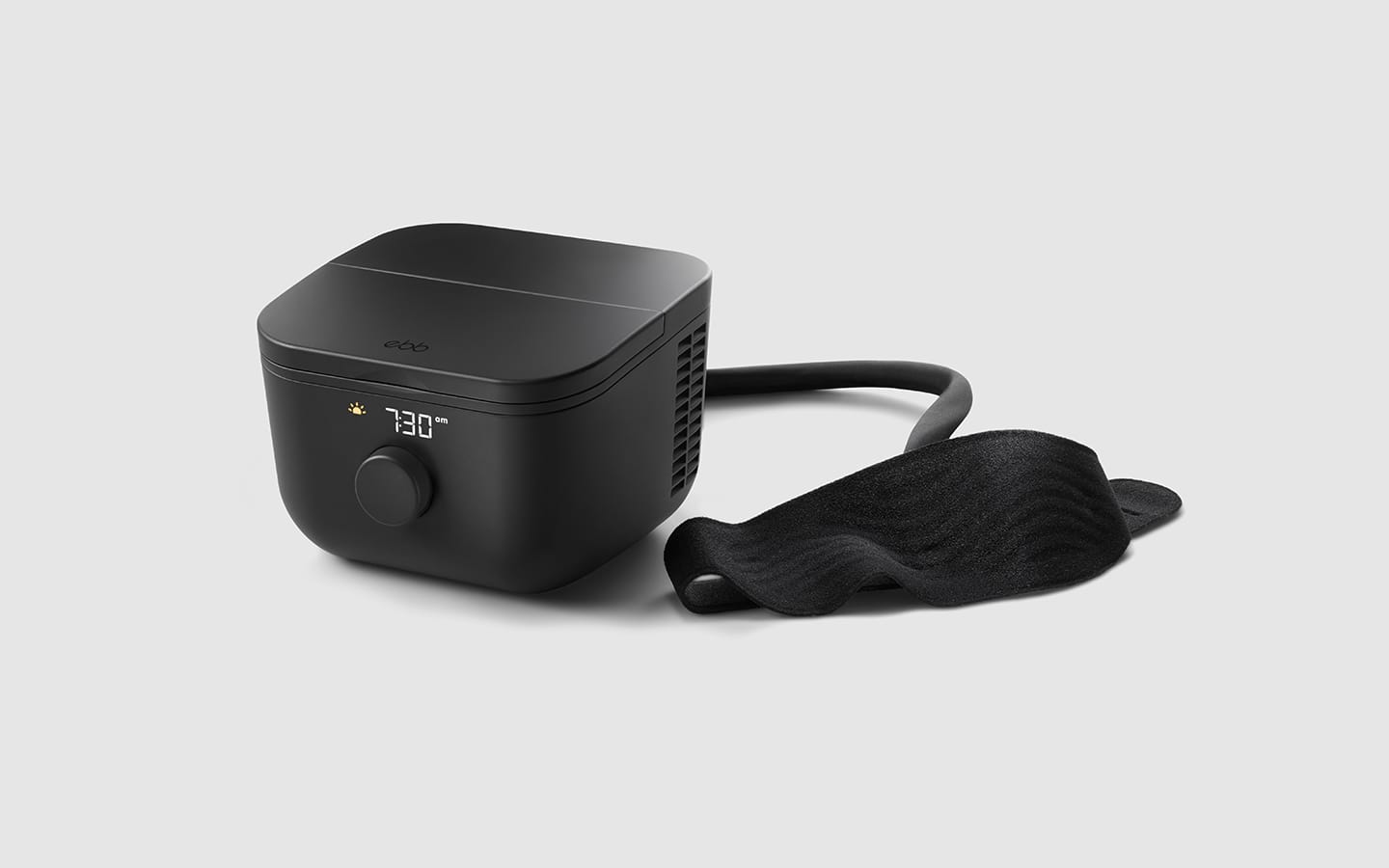
Home medical devices are often complex, cumbersome and clinical. To avoid this medical device stigma, Ebb Therapeutics wanted a modern and an intuitive product that’s compact enough to fit on a nightstand, serving as both an alarm/clock display and a therapeutic wearable device with a comfortable headband. Tactile observed focus groups to understand product usability and researched headband ergonomics that informed the design.
Considerate Controls
By minimizing buttons and knobs, Tactile focused on the main goal: to improve sleep without the disruption of multiple and confusing controls. A simple and intuitive dead-front display clearly communicates information only when activating the knob, avoiding a constant glowing display that could disrupt sleep.
An optional GentleWake™ setting stops the device from cooling a half hour before wake-up time, enabling a gradual entry into the morning.

Reducing
Insomnia
Insomnia is the most common sleep disorder with over 55 million Americans suffering from chronic insomnia. With product shipments beginning in Fall 2017, Ebb Therapeutics hopes to reduce this statistic by helping people with insomnia have better nights for better mornings. Visit ebbsleep.com for more information and updates on availability.
Solta Thermage
March 12, 2019
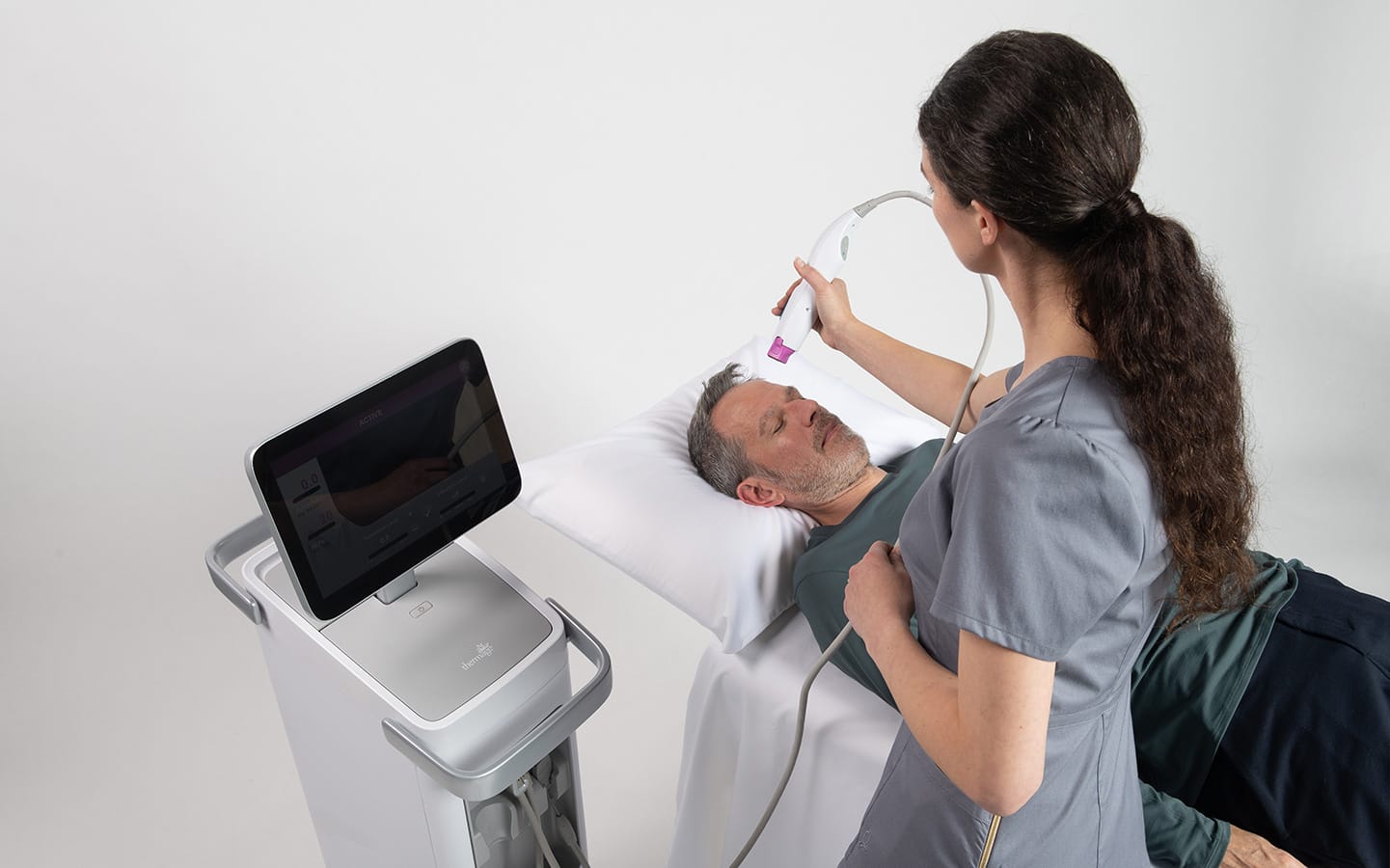
Solta Medical is a global leader in the aesthetic energy-based device industry, developing innovative treatment technologies that provide proven and effective aesthetic care options to consumers and physicians. Pioneering the technology for non-invasive wrinkle treatment using radiofrequency energy, Solta developed Thermage, a proven
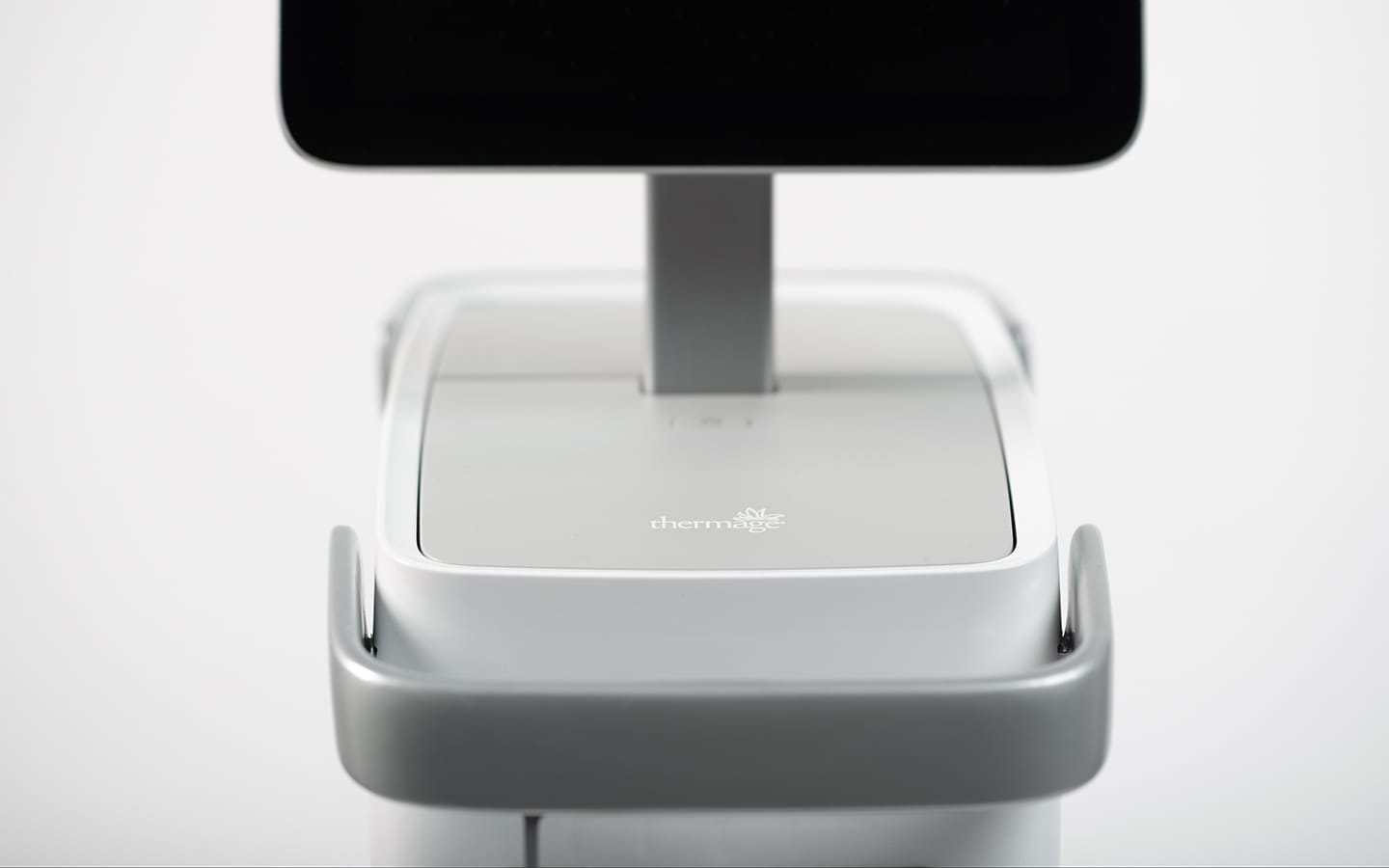
treatment that helps promote the process of new collagen production in wrinkled skin, leaving a smoother, sleeker, and younger appearance. To bring Thermage to the forefront of their product line, Solta partnered with Tactile to redesign Thermage FLX, which would later become the flagship product to initiate a new universal design language (UDL).
Universal Design Language
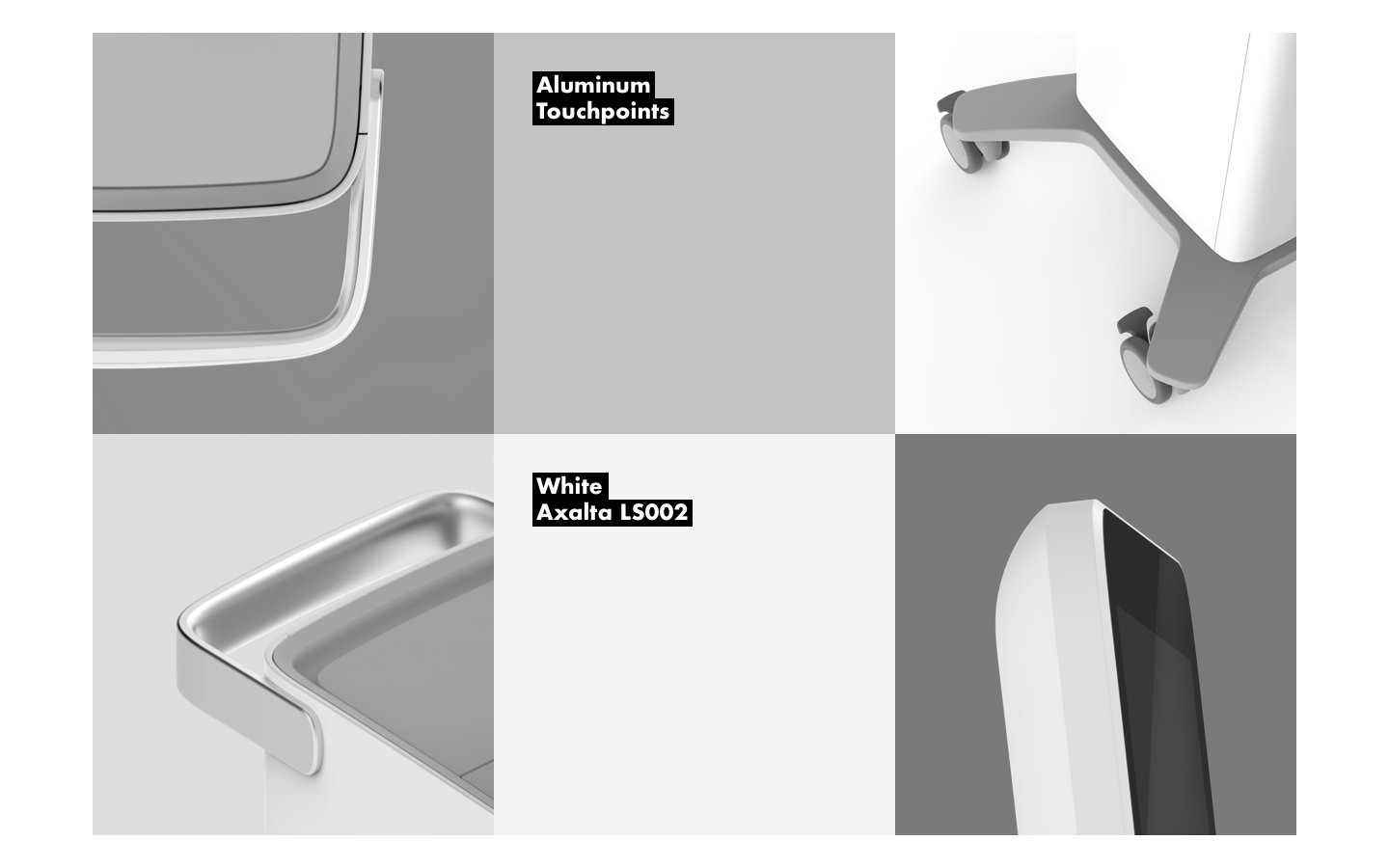
With Thermage as the introductory product for Solta’s UDL, Tactile addressed the following design challenges:
Thermage and Beyond
After conducting extensive medical cart/console research and concept development to understand the competitive landscape and users’ needs, the design team worked with Solta’s engineers for
production feasibility and refinement. Thermage FLX’s modernized and timeless design features became a precedent for Solta’s future products.
EKOS Control Unit 4.0
June 26, 2017
Since its inception, EKOS®, a BTG International group company, has one goal in mind: to develop life-enhancing and lifesaving treatments for vascular thrombosis (blood clots) that occur in arteries and veins. In 2005, EKOS pioneered the development and clinical application of ultrasound infusion technologies in medicine by introducing its first system to treat blood clots.
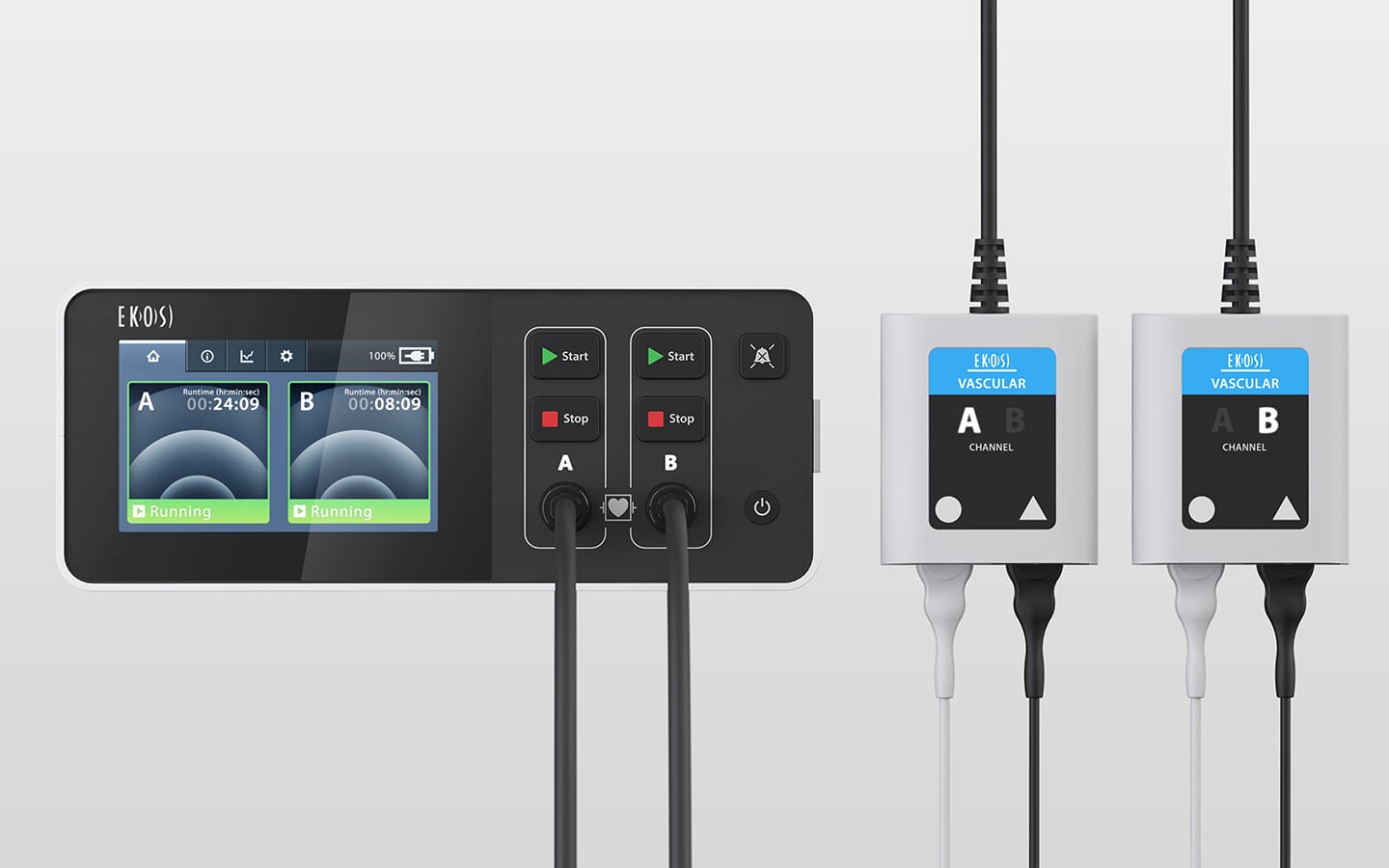
Looking to refresh their pulmonary embolism (PE) treatment device, EKOS enlisted Tactile to redesign the control unit that powers the EKOS System, the user interface, and the system’s packaging.
Simultaneous Flow
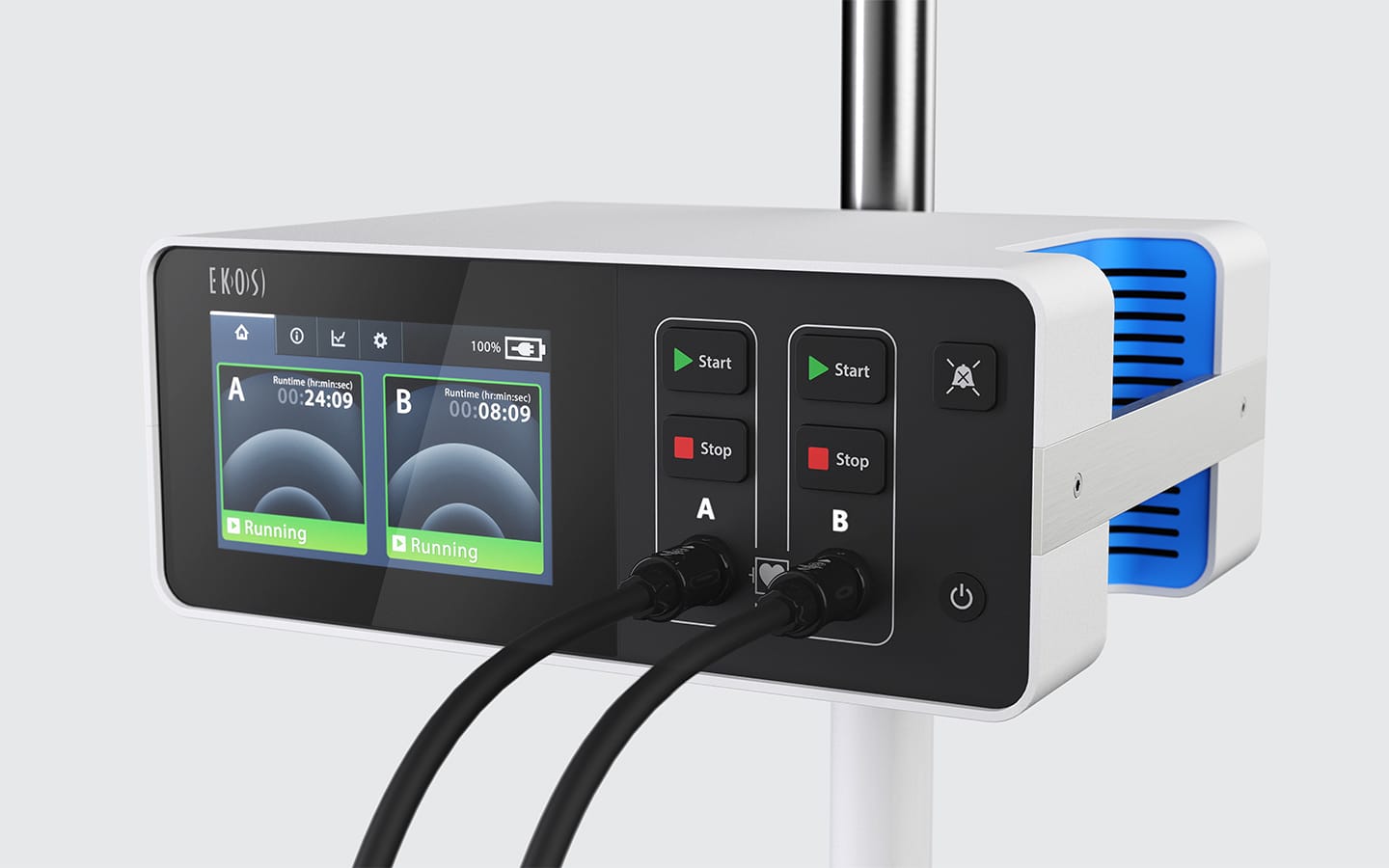
Designing medical devices has become more than an interest for us—it’s a passion. Tactile’s main challenge was to redesign the original Ekosonic Endovascular system to minimize the overall product footprint while adding functionality to treat two pulmonary arteries simultaneously. The team minimized the control unit complexity from an ID and UX perspective to streamline the overall set-up procedure and help monitor the treatment.
Currently the only FDA-approved device to treat PE on the market, the EKOS Control Unit 4.0 allows physicians to easily monitor and independently manage two EKOS devices simultaneously, simplifying bilateral PE treatment. The EKOS Control Unit 4.0 provides the power to the EKOS System’s ultrasonic core device that uses acoustic pulses to efficiently and safely dissolve blood clots and restore blood flow in patients with PE.
Reducing
Anxiety
Along with designing the control unit, Tactile developed an intuitive, highly visible user interface that reduces alarm fatigue and brings critical information to the forefront. Several iterations of the interface design proved to be pivotal in understanding how doctors and technicians interact with the interface and the patient’s response to the graphics and visuals.
Visceral Packaging
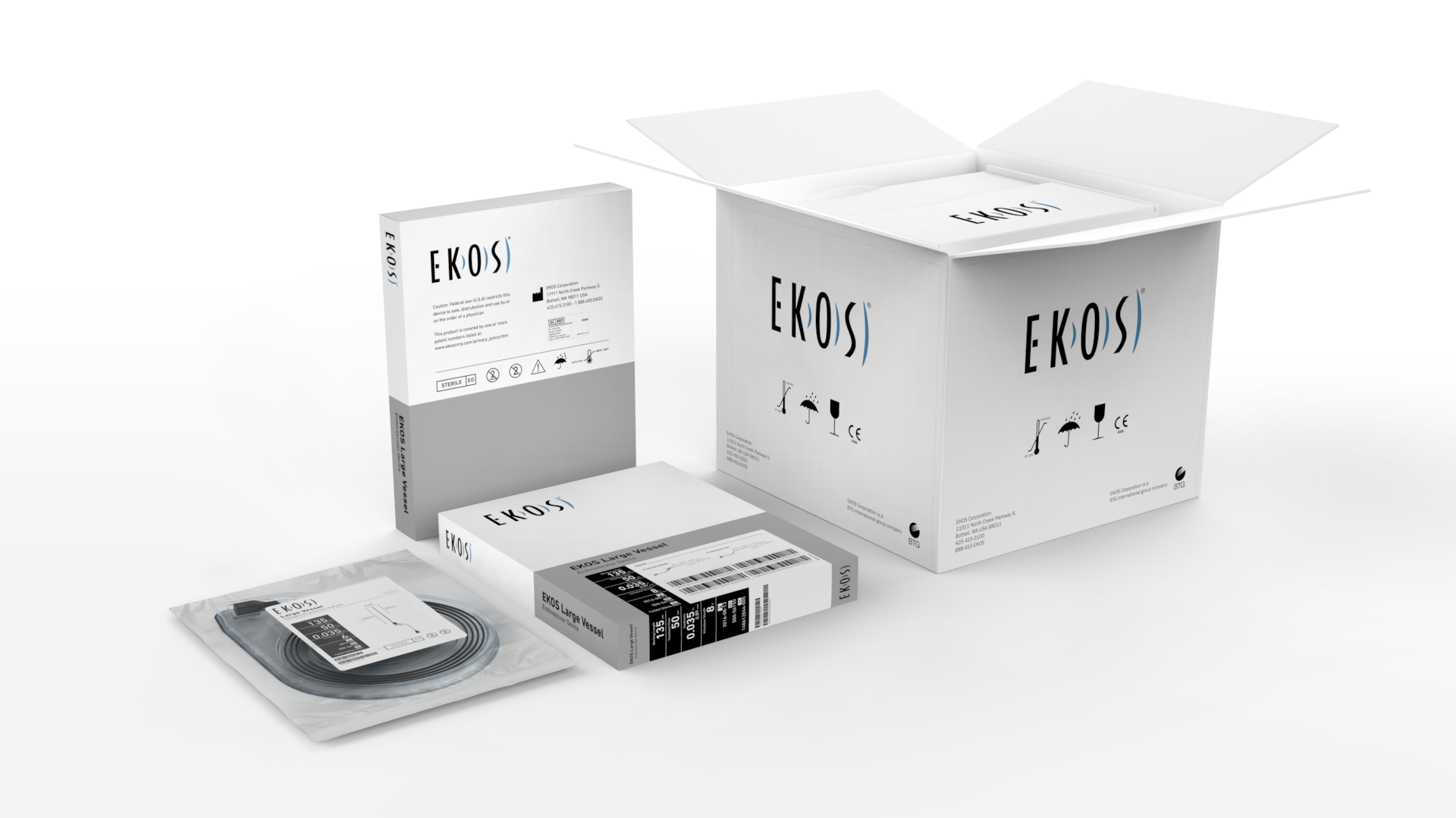
EKOS wanted to streamline the EKOS Control Unit 4.0 packaging to improve efficiency when identifying the products on shelves. Tactile designed the infusion catheter/ultrasonic core packaging and the console box package.
The newly designed packaging simplifies shelf display for quick, intuitive identification of each product component.
Mechanical Engineering
March 13, 2020
Great product design is more than a beautiful image you can put on a Pinterest board. First of all, great products are the ones that are actually made. How it works and how it’s made is integral to a product.
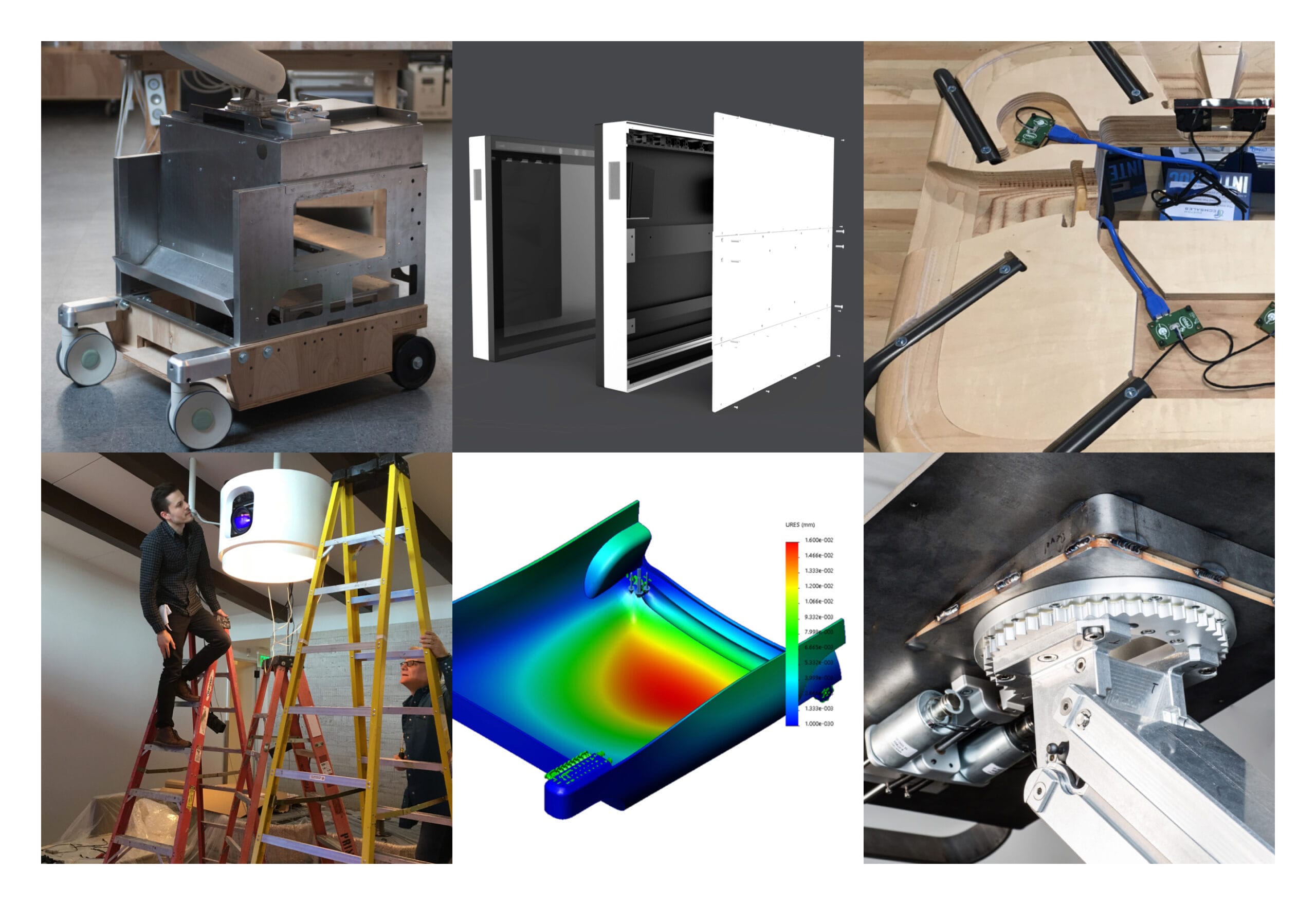
At Tactile, our Mechanical Engineering (ME) team is there at the beginning of a collaboration. This way we can ensure a great user experience integrates into the entire process. Below are a few of our engineering project highlights.
The Details Make the Product
Quality is the hallmark of a great professional tool. From the very beginning, we’re determined to ensure quality is built into the design. Our process is to collaborate early on with manufacturing, applying
the appropriate level of engineering scrutiny at every stage of the design. With fewer changes late in the development process, our clients are able to maintain the design intent while shortening the time to market.
The details made the product. Engineering explorations is critical for validating manufacturing viability.
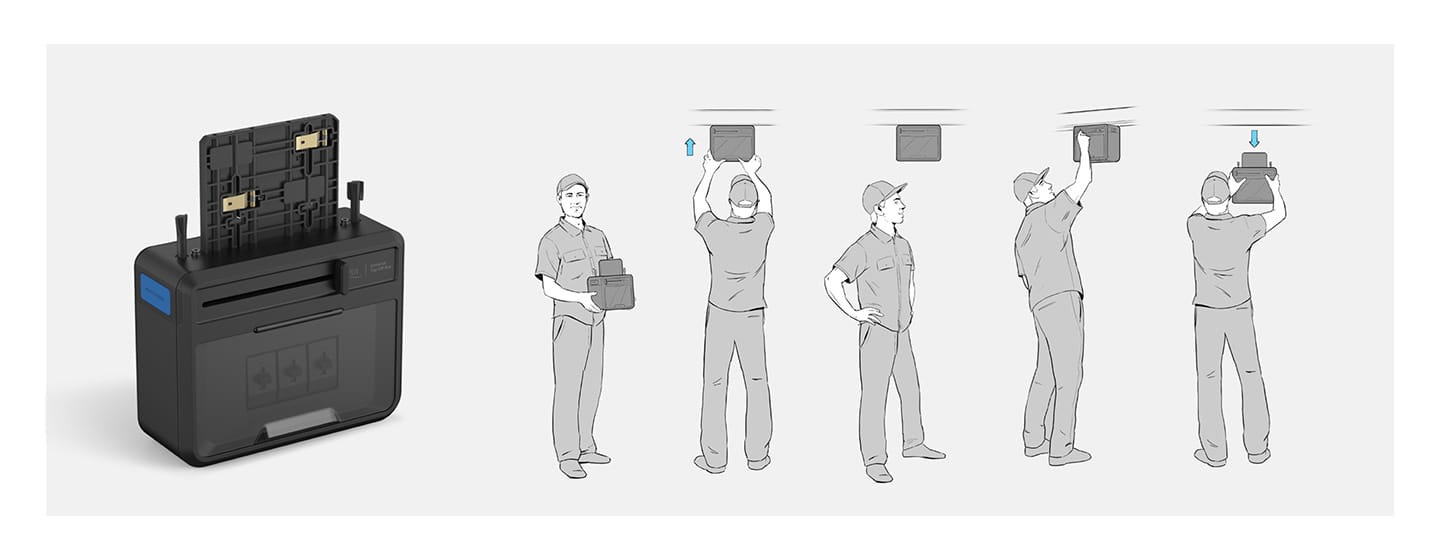
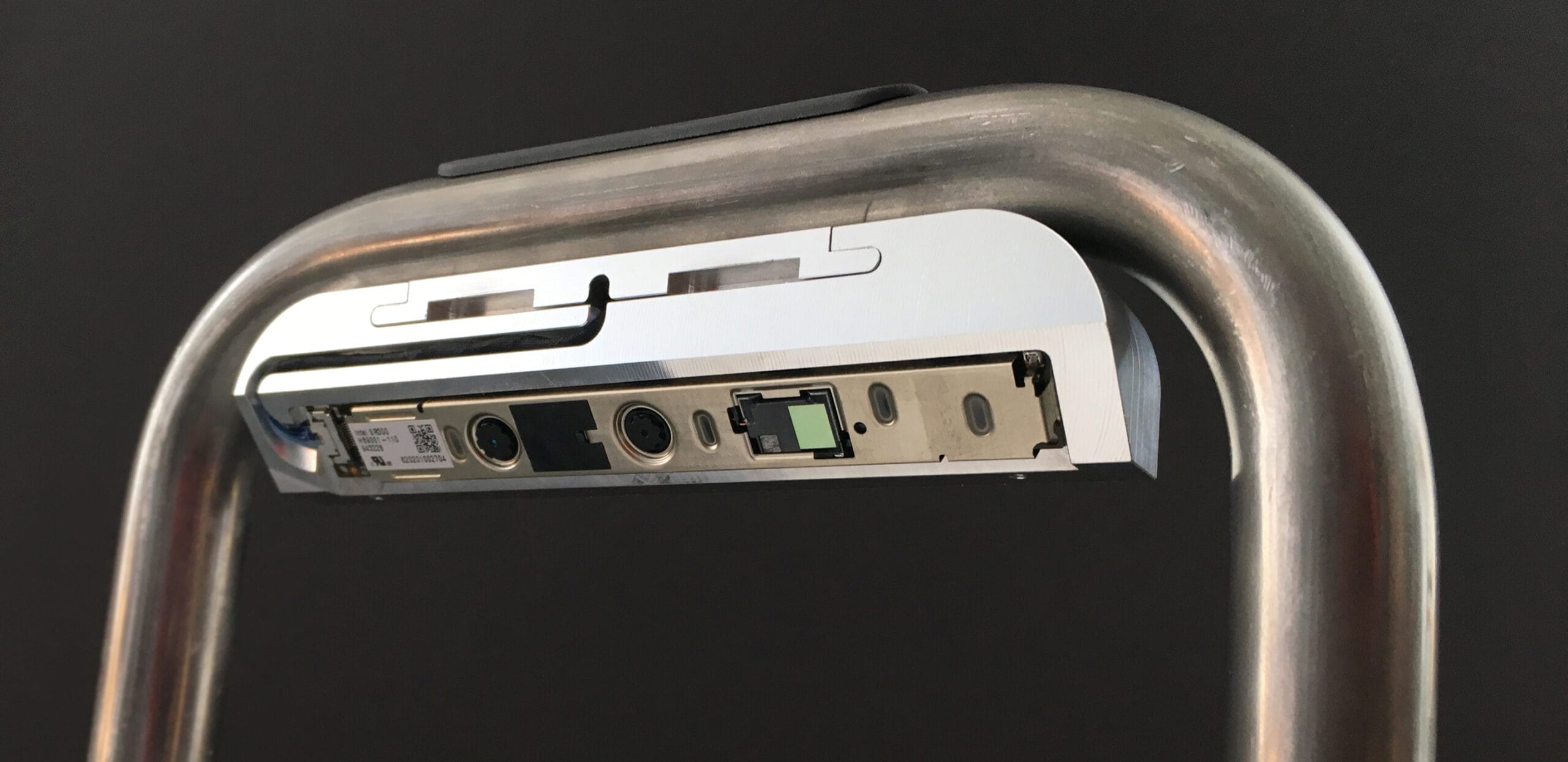
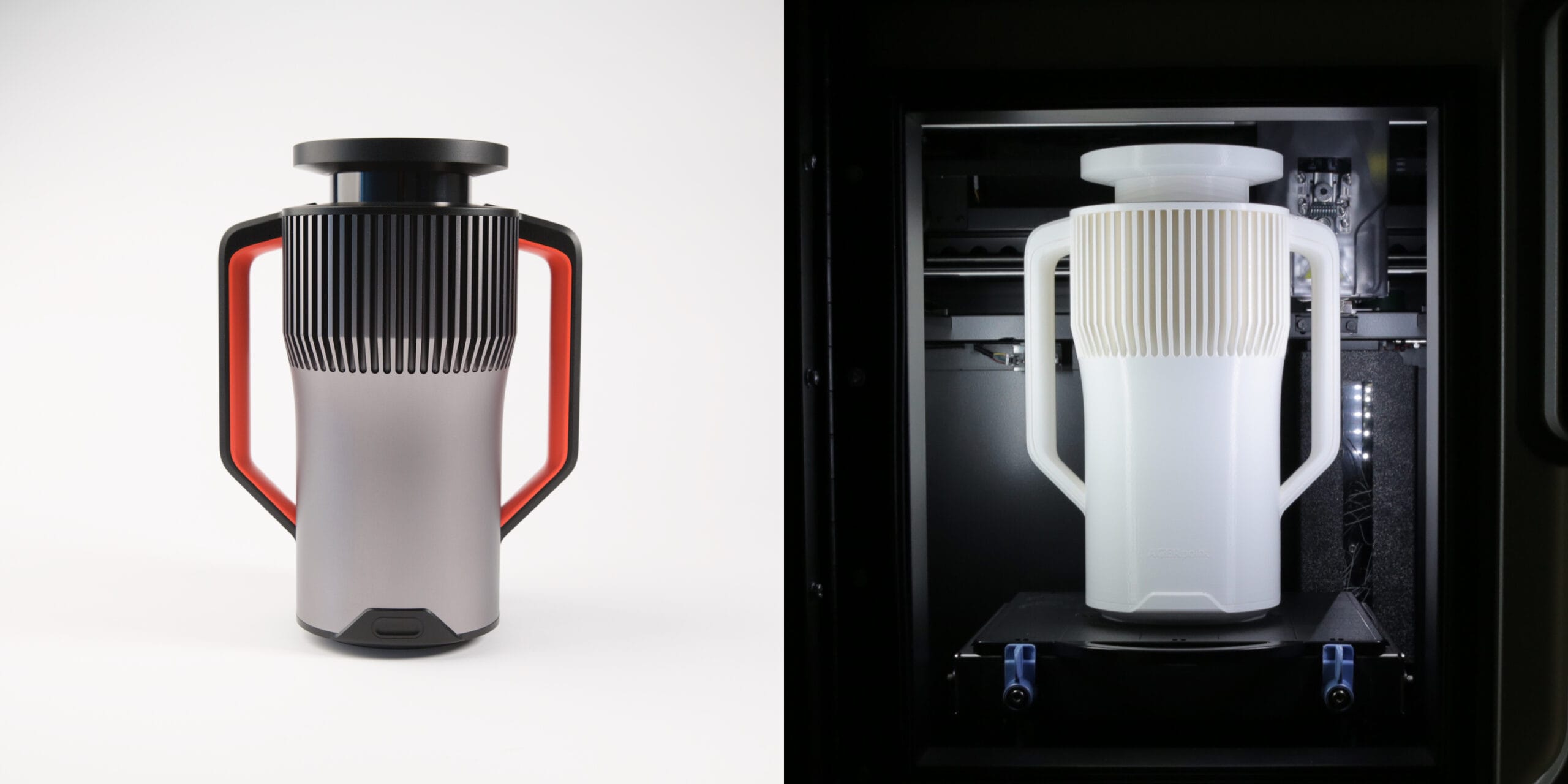
Engineering exploration determines whether a concept is achievable or not. This isn’t optional in our work, it’s our development process. Great products don’t just look great, they feel great. The smooth joint
or a graceful hinge is the small (yet so satisfying) pleasure of our work. We take pride in the craftsmanship that comes from rigorous ME ideation, prototyping, and iteration.
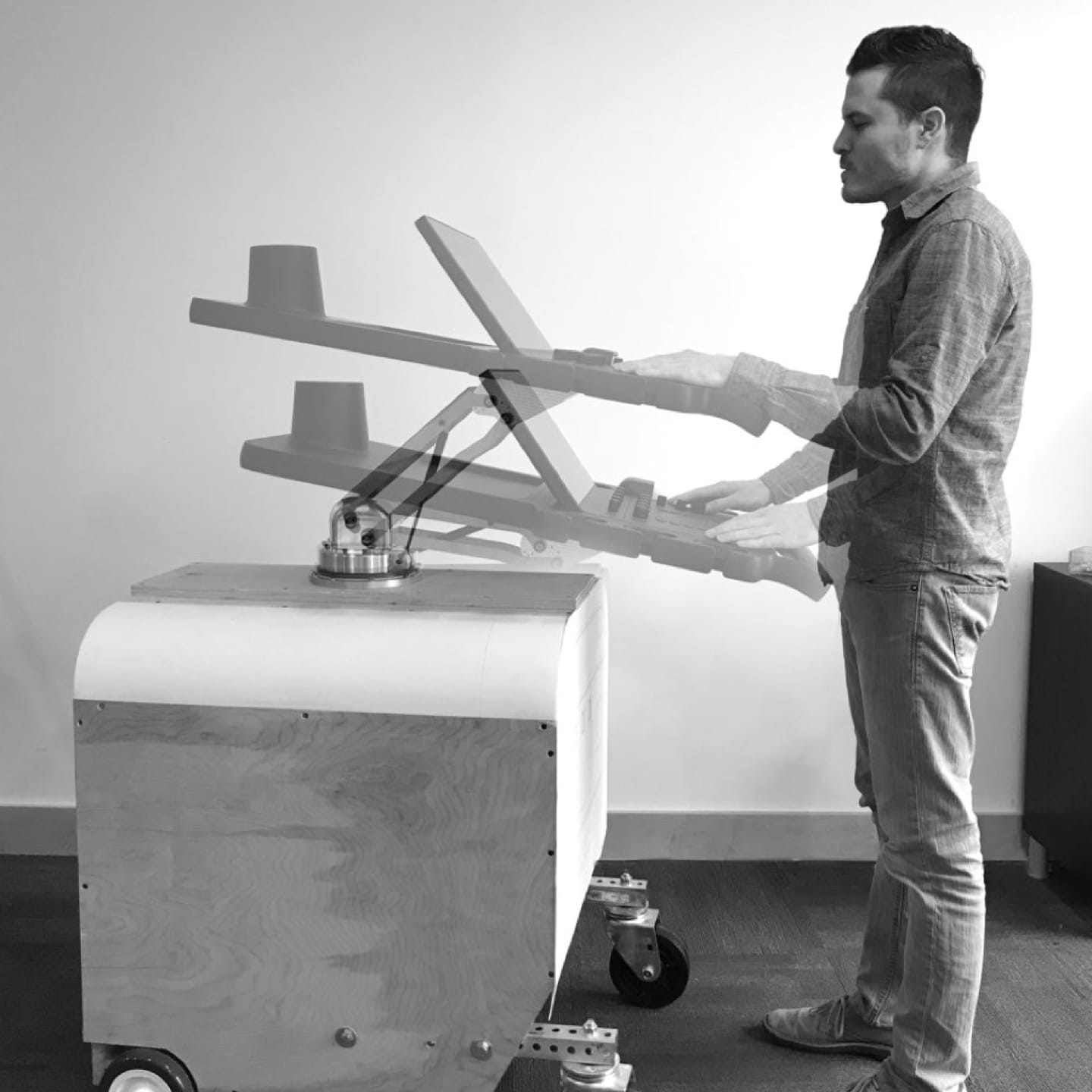
We plan for function from the earliest stages of development and design.
Verathon BladderScan
March 22, 2017
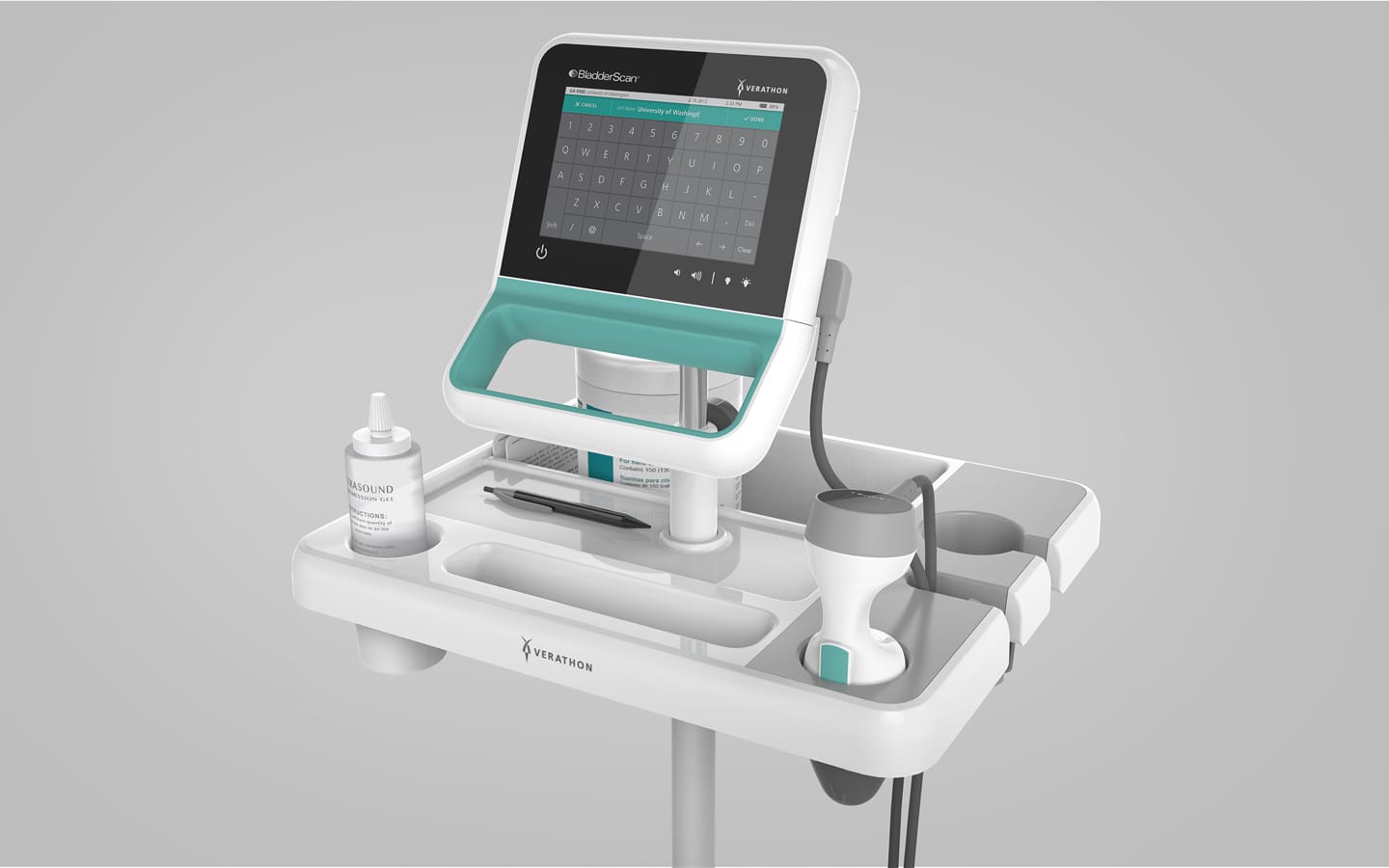
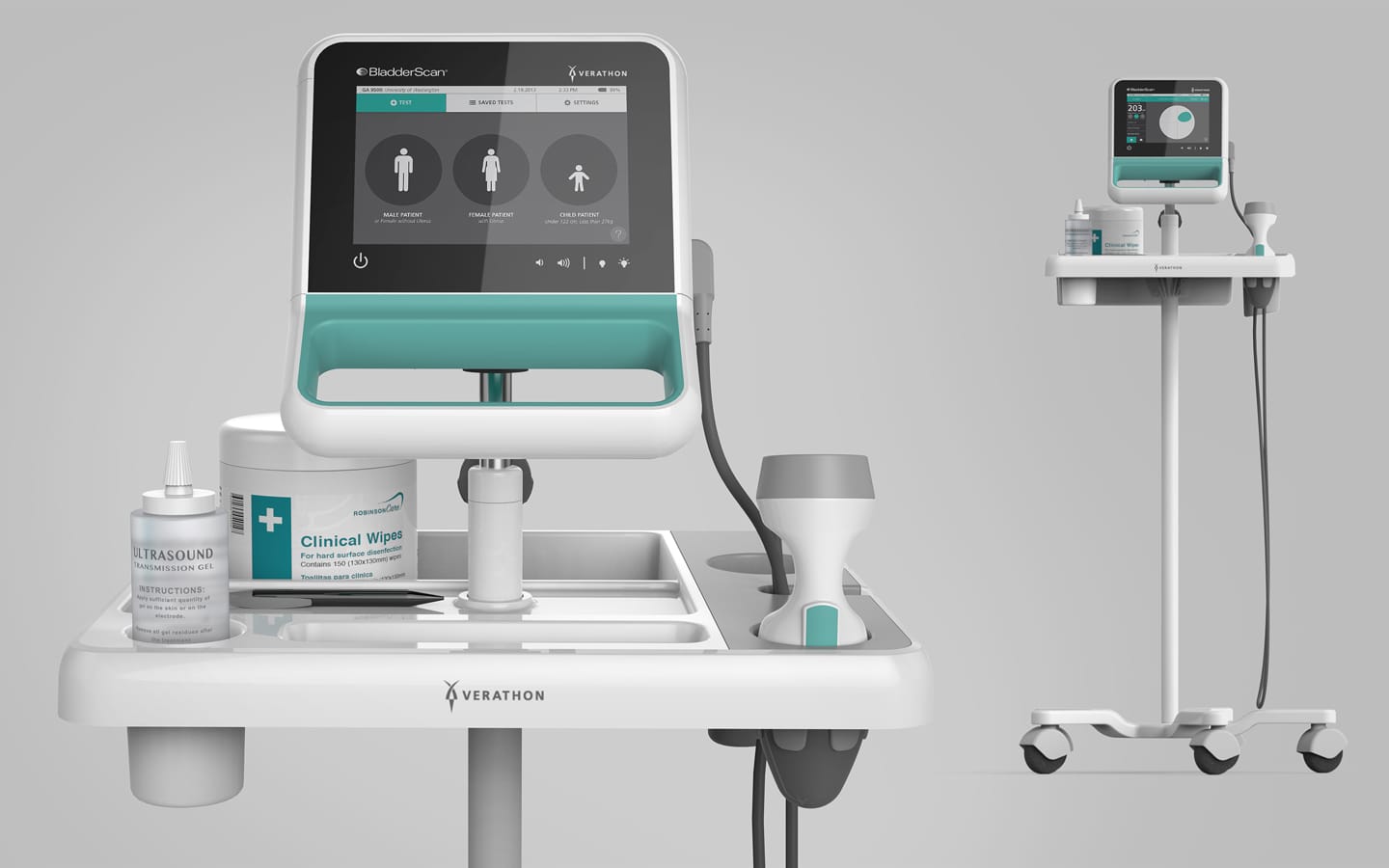
Verathon is a pioneer in the design and manufacture of medical devices. They provide reliable healthcare solutions that help providers in more than 60 countries and regions, delivering a higher standard of clinical and economic utility for those they serve. The Verathon BladderScan is a portable 3D ultrasound scanner that measures and analyzes bladder volume.
It assists medical professionals in caring for postoperative patients and preventing unnecessary catheterization. Verathon partnered with Tactile to help modernize the BladderScan form without compromising the product architecture and features by keeping the end user in mind throughout the design process.
User-Based Ergonomics
In order to update the way the device is used, we needed to understand the changing landscape of who uses it and the variety of patients. We met with a consulting doctor and reviewed actual use-case scenarios for the technicians who would use the device every day. Through observational research and interviews, we came away with a list of questions and set to work on the solutions. We made significant changes, such as updating the screen from a push button/soft key interface to a touchscreen. Environmental factors always play a big role in the design and use of a device.
The varied ways technicians used the scanner informed the simplicity of the UI and focus of the image on the bladder. Throughout the process, Verathon conducted user testing. During the refinement phase, we incorporated actual use-case responses into the final design. The feedback we received led to improvements in the cart tray layout, the ergonomics of the scanner, and the hierarchy of information on the screen.

Intellectual Ventures Lab
March 16, 2017
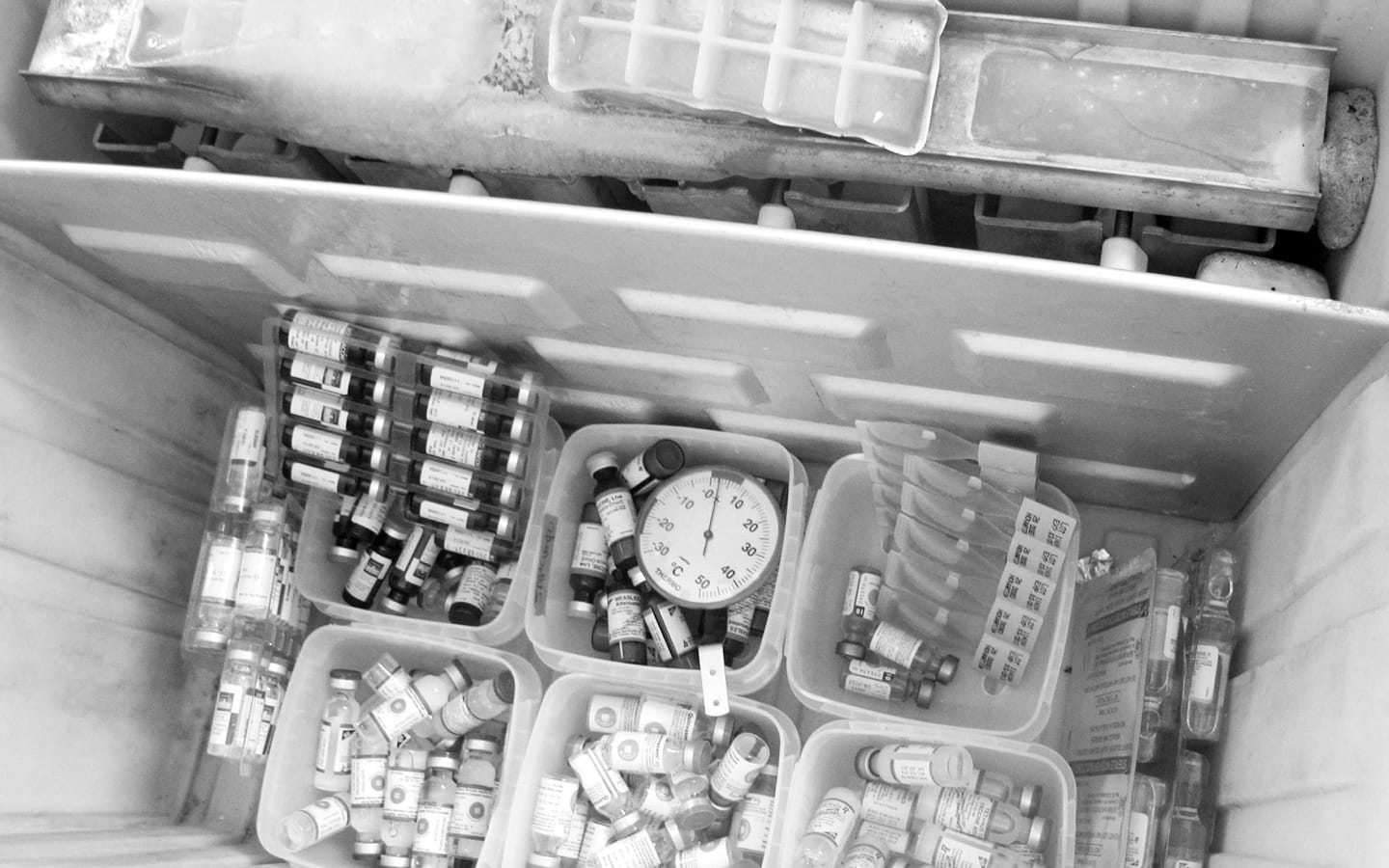
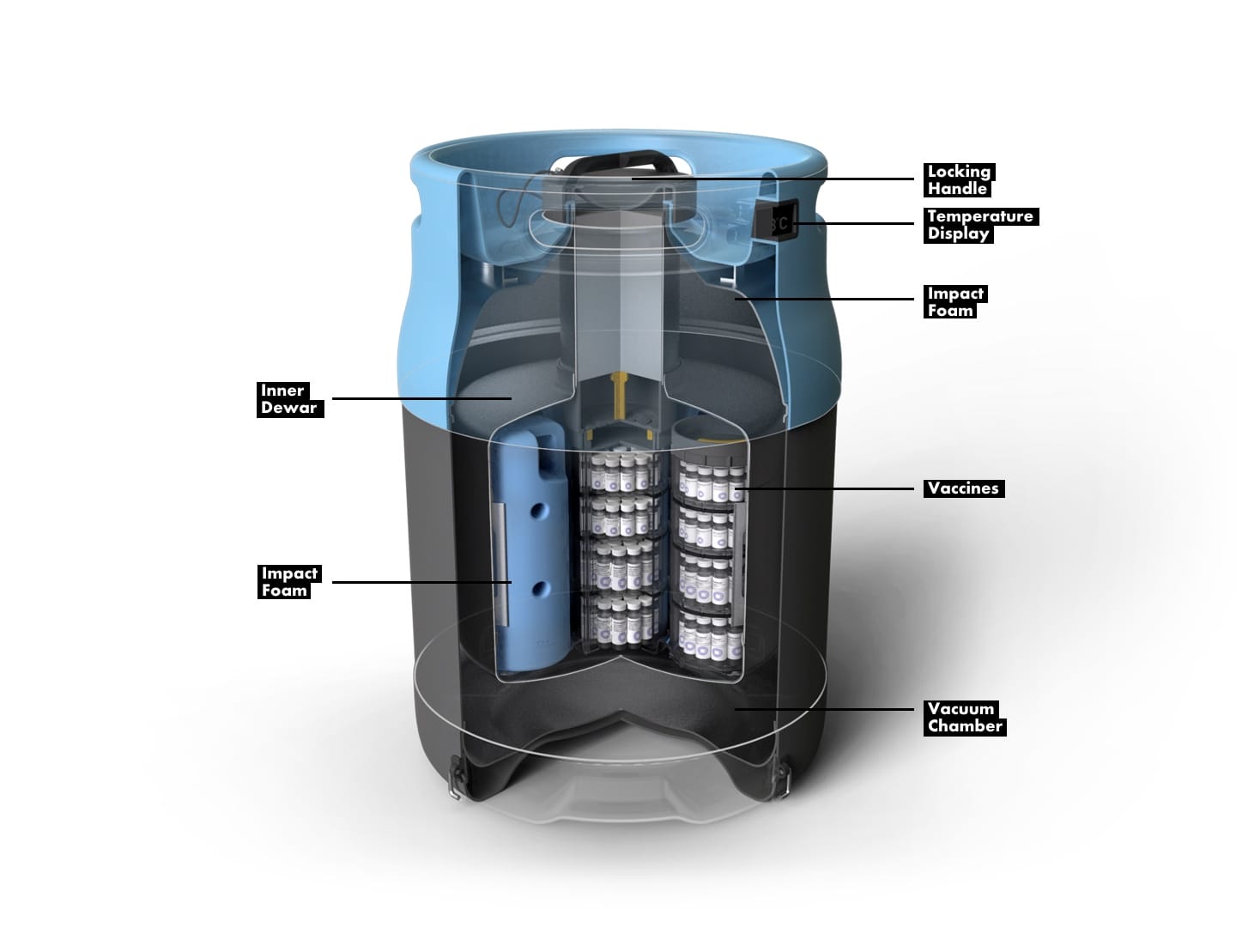
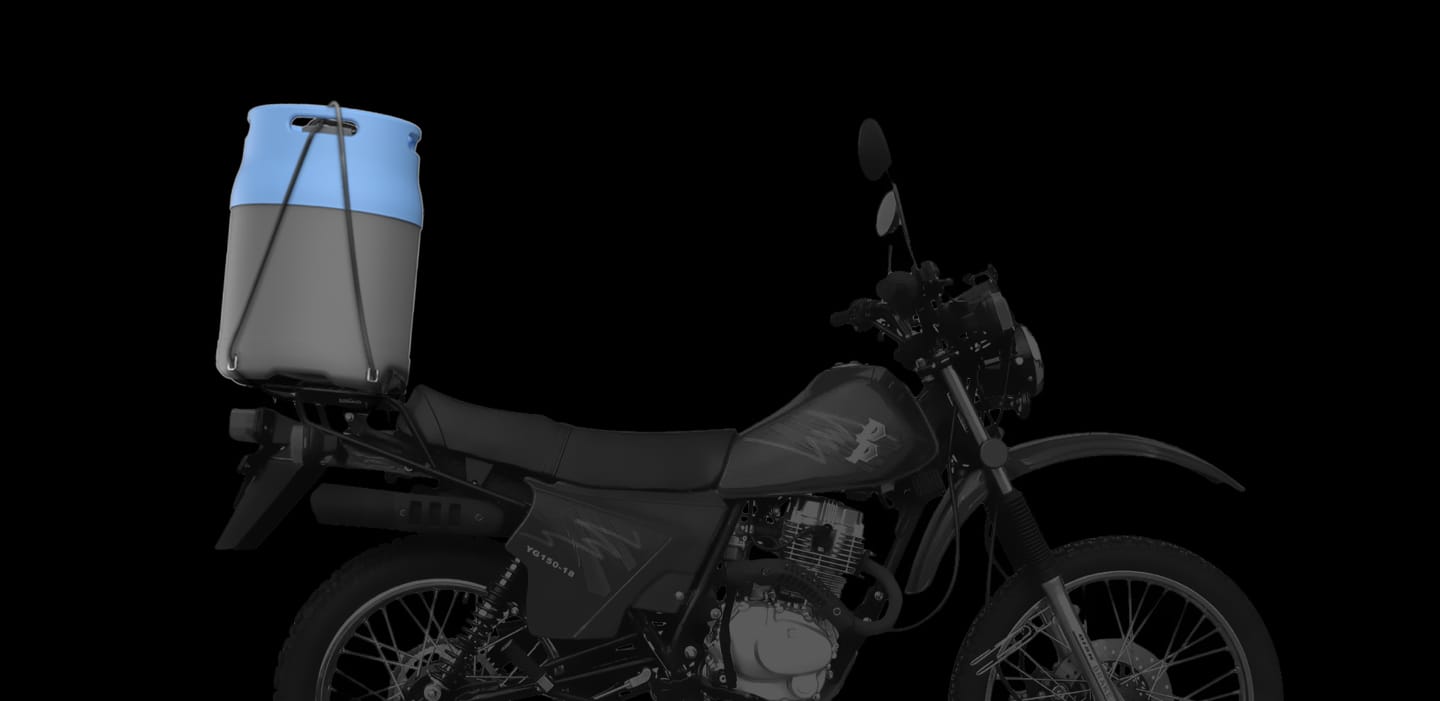
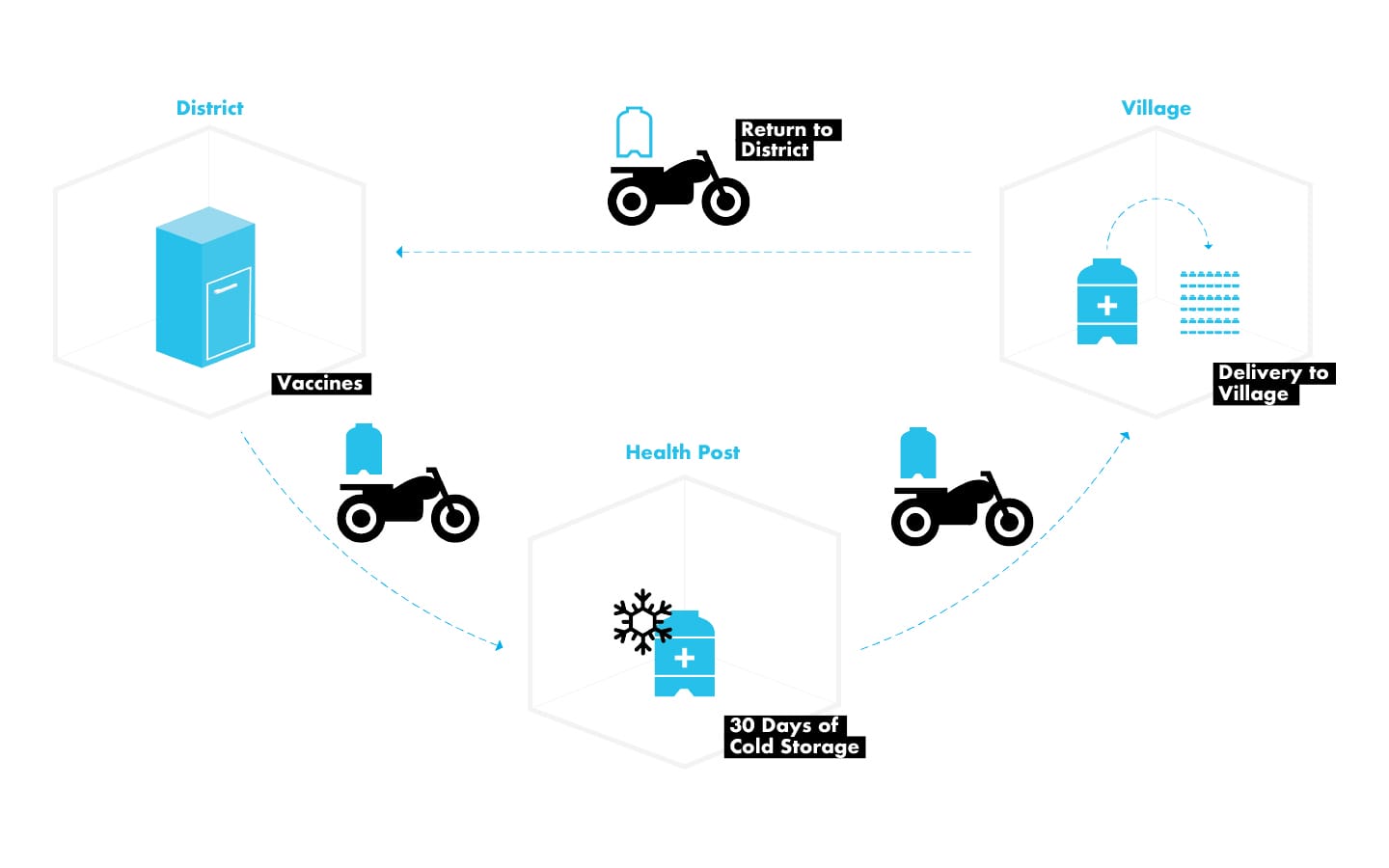
Intellectual Ventures Laboratory (IVL) discovers, invents, and develops advanced technology, bridging the gap between early-stage ideas and proof of concept demonstrations. Their Global Good team partnered with Tactile to further develop a more effective means of delivering vaccination services to outlying communities in developing countries. A thermos container system (nicknamed Cold Chain) is capable of storing and maintaining vaccines for transport at proper temperatures for as long as a month.
Underdeveloped regions with poor roads and no electrical grids will benefit greatly from this technology. Our role was to focus on usability issues that would advance design development and increase adoption in the field. Winner of a 2014 Good Design Award and 2013 IDEA Bronze Award.
Numerous Considerations
Working with patented science, engineering prototypes, and a wealth of proposed device and user experience ideas, a versatile team of engineers, designers, and researchers began work on several possible architectures for Cold Chain. During this process, Tactile had to factor in cost, size, weight, durability, access, portability, materials, security, and vaccine viability. Transport and logistics of the vessel and its sensitive contents were major considerations.
The Cold Chain device was designed to endure trials of transport—often by uncertain means—to major healthcare clinics, small town healthcare providers, and remote villages. The vaccines could be replenished, handled, maintained, and administered anywhere along the route. The Tactile team went to Mozambique and Zambia to discover real user needs, define infrastructure obstacles and opportunities, assess design decisions, and qualify engineering assumptions.
On the Road to
Development
The functionality of the Cold Chain vessel will undergo further evolution in the lab, and in the field, before it ultimately fulfills its mission to effectively deliver lifesaving vaccines to those who need them most. Tactile is proud to have contributed to the development of this important innovation.
Shift Labs Drip Assist
March 16, 2017
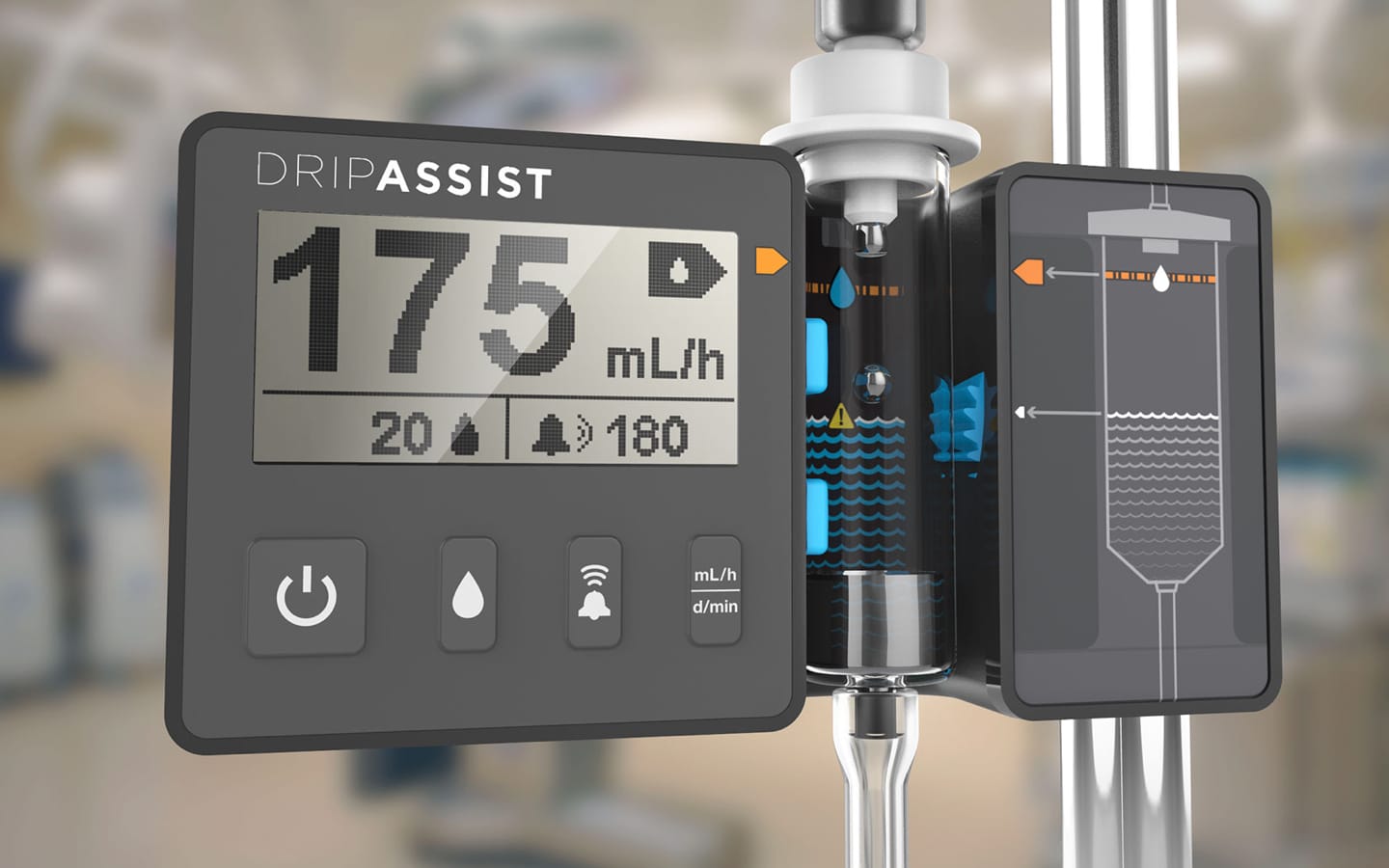
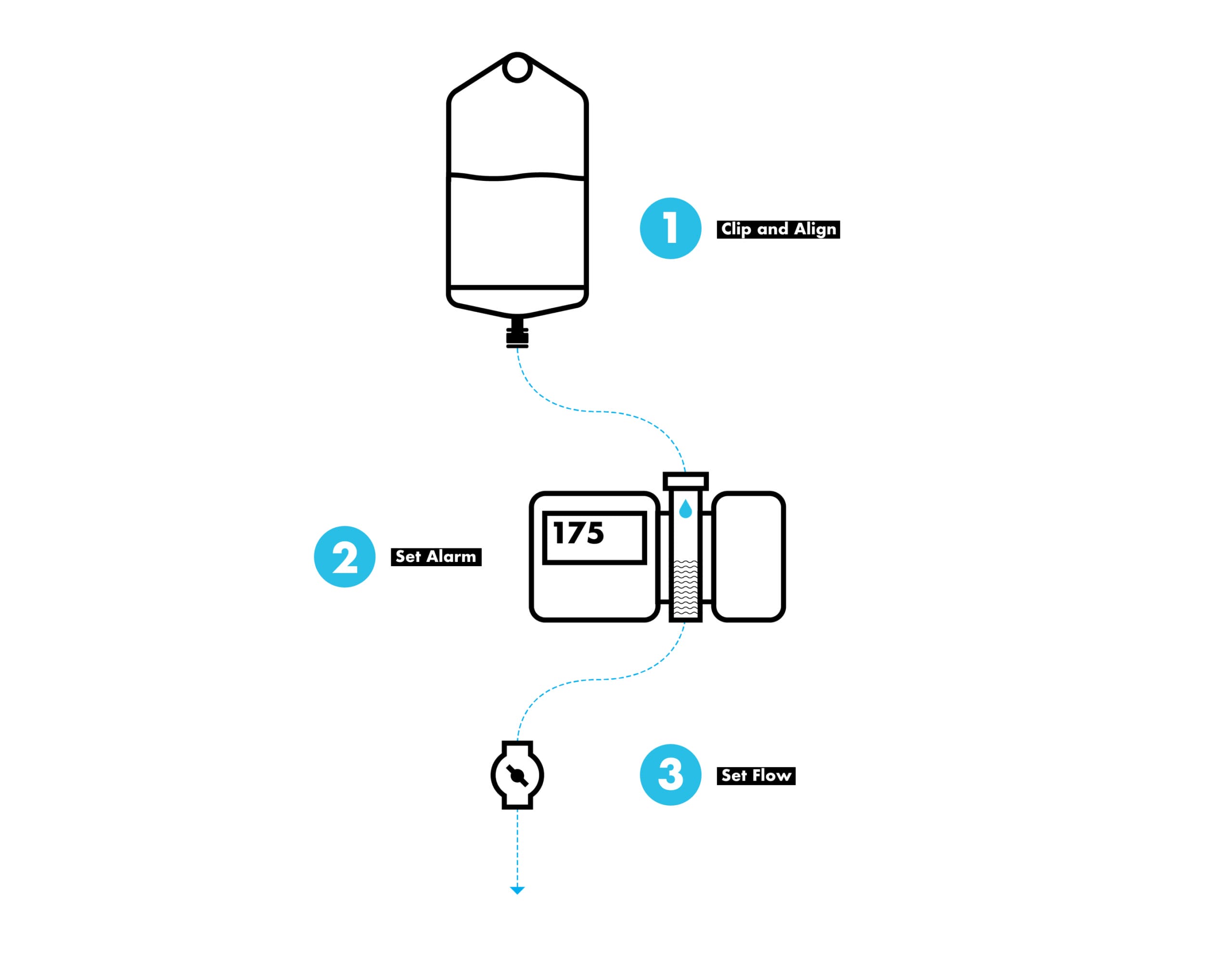
DripAssist is a portable IV flow monitor that makes infusion easier, quicker, and more reliable. The battery-operated alarm-enabled device is a fraction of the cost of an electronic infusion pump. DripAssist provides accurate monitoring of critical gravity infusions and also sounds automatically when the flow rate falls outside a safe limit or stops. The Shift Labs team developed an engineering prototype in need of housing and UI design suited for emerging markets. Tactile was tasked with creating a durable, lightweight, approachable unit while keeping production costs down.
The DripAssist had to be instantly usable by all skill levels in a wide variety of environments. Those in rugged clinical settings, with suboptimal lighting conditions, and across multiple languages need the units to be easy to use and more accurate than manual count IV fluid drips. Finally, the DripAssist had to fit standard drip chambers while accommodating slight variations across IV brands and types. It is currently used in veterinary applications, with potential use for human health in emerging markets after approval. Winner of a 2015 IDEA Silver Award.
Design for
Usability
Our experience designing devices for emerging health markets and American med-tech products was bolstered through Shift Labs’ user testing and research. Key design solutions focused on usability, understanding varied environments, and potential barriers to adoption.